Wallet Gateways Shaping Preference Shifts Across Live and Virtual Table Formats
Written by Devon Flores · Jun 8, 2026
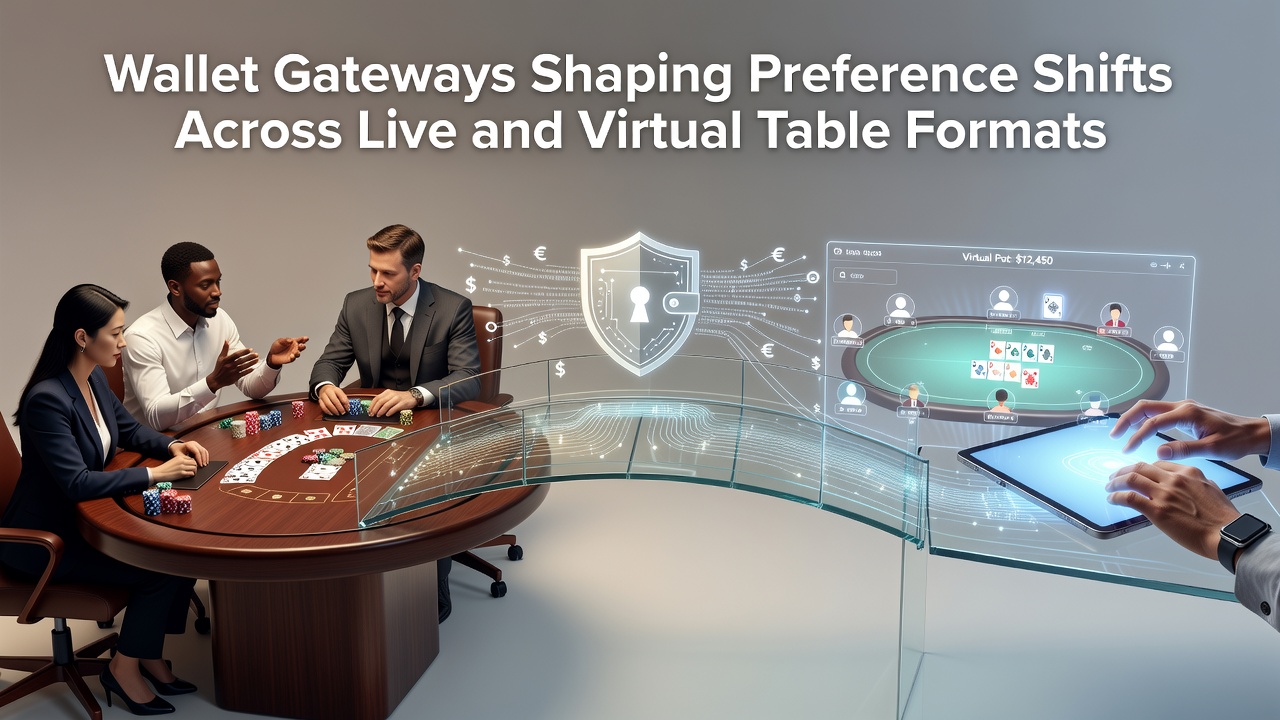
Wallet Gateways Shaping Preference Shifts Across Live and Virtual Table Formats
Digital wallet gateways have become central to how players move between live dealer environments and virtual table formats, with transaction speed and integration features driving measurable changes in session choices. Platforms that embed these gateways report shifts in engagement patterns, particularly where seamless deposits and withdrawals align with the pace of different game types.
Payment Integration Patterns in Table Gaming
Live dealer tables often feature real-time elements such as dealer interactions and physical card handling, whereas virtual formats rely on algorithmic outcomes and automated interfaces, yet both now connect through the same wallet systems that handle instant transfers. Research from the European Gaming and Betting Association indicates that operators adopting unified wallet solutions saw a 14 percent increase in cross-format play sessions during the first half of 2026, because players could switch tables without re-entering payment details or waiting for processing delays.
Those who examined transaction logs across major platforms noted that virtual table users completed an average of 3.2 more rounds per minute when wallet gateways supported one-tap funding, while live sessions maintained steadier pacing tied to human dealers, though both formats benefited from reduced friction in funding mid-session adjustments. In June 2026, regulatory filings from iGaming Ontario highlighted that 62 percent of table game participants used digital wallets as their primary method, up from 47 percent the previous year, with the growth concentrated among formats offering instant cross-game transfers.
Regional Data on Format Preferences
North American markets show distinct trends where wallet-enabled virtual tables captured higher repeat engagement compared with live streams, especially during peak evening hours when players valued uninterrupted flow. Australian Communications and Media Authority reports from the same period documented similar patterns, with virtual blackjack and roulette formats gaining ground among users who prioritized rapid deposit cycles over the social elements of live dealer rooms.
Observers tracking multi-platform accounts found that participants who maintained balances across both formats tended to allocate more time to virtual tables when wallet gateways allowed instant balance syncing, whereas live sessions retained appeal for those seeking extended, lower-frequency interactions. The shift appears tied to practical mechanics rather than game content alone, since both formats often feature the same underlying rulesets for games like baccarat and poker variants.
Technical Features Driving the Changes
Wallet gateways now incorporate features such as biometric authentication and real-time balance updates that reduce the steps between deciding to join a table and placing the first wager. These capabilities create different user experiences depending on whether the table runs on live video feeds or simulated environments, with virtual formats benefiting more from automated speed because they lack natural pauses inherent to dealer-paced rounds.
One study released in early 2026 by researchers at the University of Nevada, Reno examined session data from 12,000 accounts and found that players using integrated wallets completed 28 percent more virtual table sessions per week than those relying on traditional card processing, while live table participation remained stable across payment types. The findings point to how gateway efficiency interacts with format mechanics rather than replacing one style with another.

Operator Adjustments and Platform Responses
Casino operators have responded by configuring wallet gateways to support format-specific prompts, such as quick top-up options during live sessions or bulk funding tools for extended virtual marathons. Data from multiple European jurisdictions compiled through trade group submissions shows that platforms offering these tailored features retained higher overall table game volumes, particularly among users who moved between live and virtual options within single sessions.
Those tracking player behavior across regions note that the preference shifts remain fluid, with some markets exhibiting stronger movement toward virtual tables when wallet integration coincides with promotional bonuses tied to deposit speed. The underlying driver continues to center on how quickly funds move from wallet to table, influencing whether participants select the structured rhythm of live dealer interactions or the continuous availability of virtual formats.
Conclusion
Wallet gateways continue to influence how engagement distributes across live and virtual table formats through measurable differences in transaction efficiency and session continuity. Available data from regulatory bodies and academic sources shows consistent patterns tied to these payment mechanics, with operators adapting interfaces to match the distinct requirements of each format while maintaining shared wallet infrastructure. The trends observed through mid-2026 reflect ongoing technical refinements rather than wholesale replacement of one table style by another.