Tracing Loyalty Tier Thresholds That Dictate Session Switches Between Progressive Slots and Live Baccarat Tables
Written by Rosa Becker · Jul 22, 2026
Tracing Loyalty Tier Thresholds That Dictate Session Switches Between Progressive Slots and Live Baccarat Tables
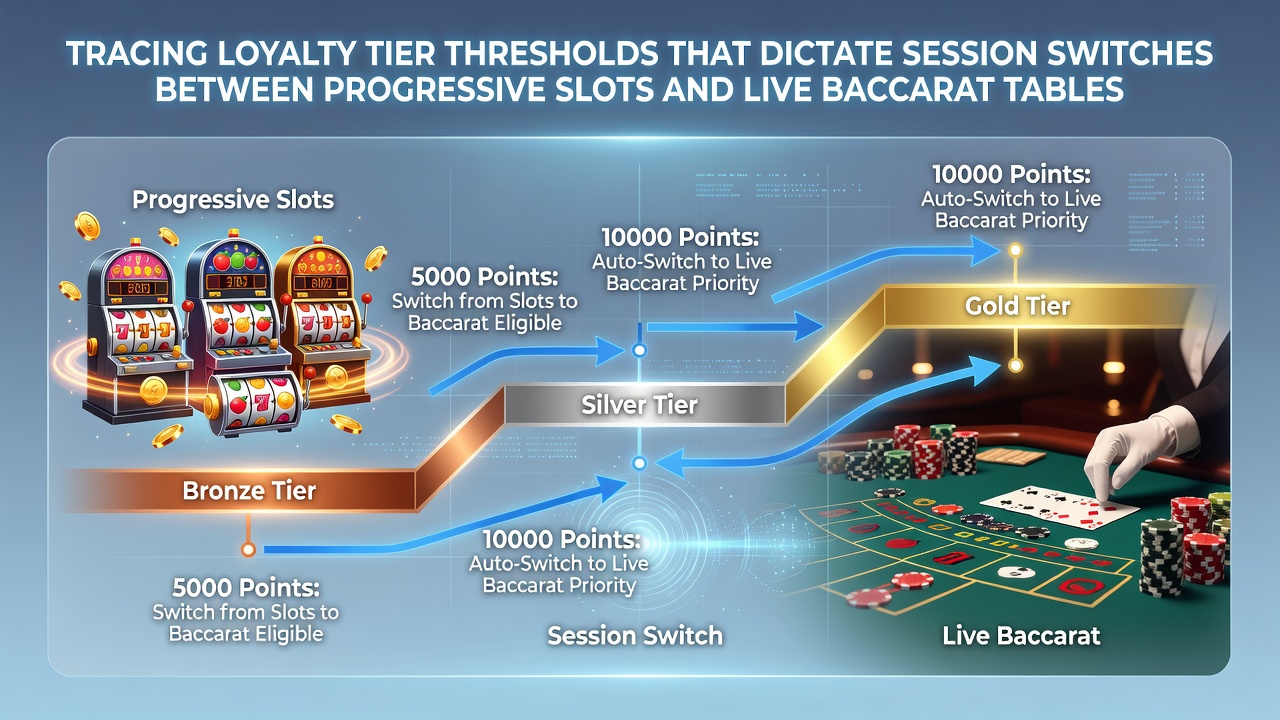
Players encounter loyalty programs that track activity across progressive slots and live baccarat through structured tier systems, where accumulated points trigger specific thresholds that influence game selection and session duration. These programs operate by awarding points based on wager volume, with bronze, silver, gold, and platinum levels each tied to defined point totals that unlock benefits such as enhanced comps or priority access. Data from multiple jurisdictions indicate that participants often shift between machine-based progressives and table games once they approach or surpass these markers, because higher tiers provide incentives that align better with certain formats.
How Tier Thresholds Structure Player Movement
Thresholds typically require 5,000 points for silver status, 15,000 for gold, and 50,000 for platinum, although exact figures vary by operator and region. Progressive slots contribute points at rates tied to bet size and jackpot contributions, while live baccarat sessions generate points through average bet amounts and time at the table. Observers note that many participants reach a silver threshold during extended slot play and then move to baccarat tables to maximize the new comp value, since table games often carry higher point multipliers once a tier activates. Research from the University of Nevada, Las Vegas Center for Gaming Research shows that point accrual patterns create predictable switch points, particularly when progressive jackpots sit at moderate levels and players seek table-side amenities available only at elevated tiers.
Operators implement these systems through integrated software that monitors real-time balances and prompts tier upgrades mid-session. When a player crosses 15,000 points, for example, the system may display baccarat table availability or reduced minimums, prompting a physical or digital transition. Figures from the Nevada Gaming Control Board reveal that such automated prompts correlate with measurable increases in table game handle during peak hours, while slot revenue remains steady but segmented by lower-tier activity.
Patterns Observed in July 2026 Data Releases
Reports compiled through July 2026 highlight seasonal spikes in tier-driven switches, especially after mid-year promotional resets that lower entry barriers for new silver members. Players who begin sessions on progressive slots frequently hit initial thresholds within 90 minutes of play, after which baccarat participation rises because live tables offer faster point accumulation once tier status updates. Analysts tracking cross-platform data note that this movement stabilizes once platinum levels activate, at which point participants tend to maintain longer baccarat sessions rather than returning to slots. External factors such as tournament schedules and progressive resets further modulate these flows, creating temporary surges in table traffic during summer months.
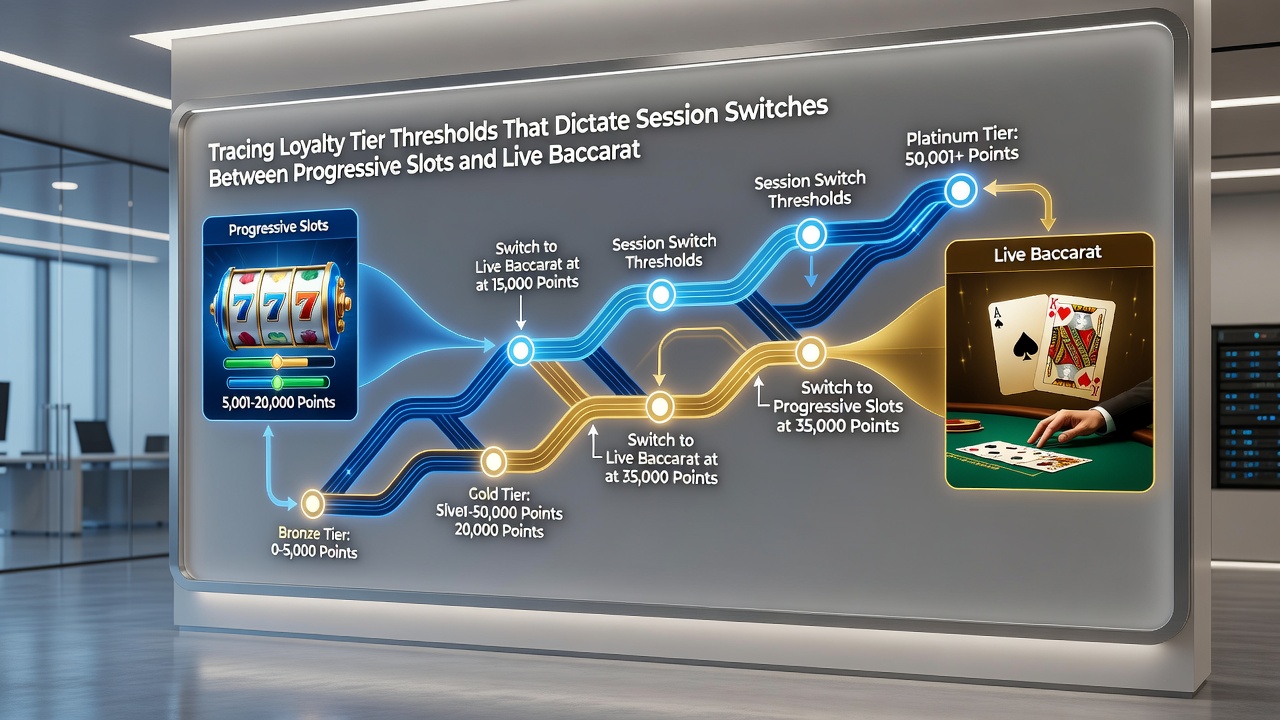
Geographic differences appear in how thresholds operate. Properties in Macau and Atlantic City apply distinct multipliers for baccarat compared with North American slot floors, leading some frequent participants to adjust travel patterns around tier milestones. One documented case involved a cohort tracked across two properties where silver upgrades prompted a 40 percent shift from slots to baccarat within the same evening, according to internal operational logs shared at industry conferences. These movements remain measurable because loyalty platforms log both wager type and timestamp, allowing precise mapping of session transitions.
Technology Supporting Threshold Tracking
Modern systems integrate player cards with mobile applications that display remaining points to the next tier in real time. When thresholds near completion, interfaces may highlight live baccarat seats or progressive slot banks that still contribute toward the current level. This visibility encourages deliberate switching rather than random movement, as participants calculate the most efficient path to the next benefit tier. Data aggregation across multiple sites shows that gold-level players average longer combined sessions than bronze participants, yet the distribution between slots and baccarat tilts toward tables once the 15,000-point mark passes.
Regulatory filings in several jurisdictions require operators to report how loyalty mechanics affect game mix, providing additional transparency into these dynamics. The resulting datasets confirm that tier thresholds function as structural waypoints rather than mere rewards, guiding traffic between progressive machines and live dealer environments in measurable volumes.
Conclusion
Loyalty tier thresholds continue to shape session architecture by establishing clear point milestones that align player incentives with specific game categories. Progressive slots serve as entry points for many participants, while live baccarat tables absorb activity once upgraded benefits activate. Documentation from July 2026 and prior periods demonstrates consistent patterns across properties, supported by software that tracks and displays progress toward each level. These systems operate uniformly whether sessions occur on physical floors or integrated digital platforms, maintaining the same underlying logic of point accrual and tier activation.