Tracing Incentive Pathways from Initial Deposit Triggers Through Extended Play Cycles in Multi-Venue Networks
Written by Dana Keller · Jul 20, 2026
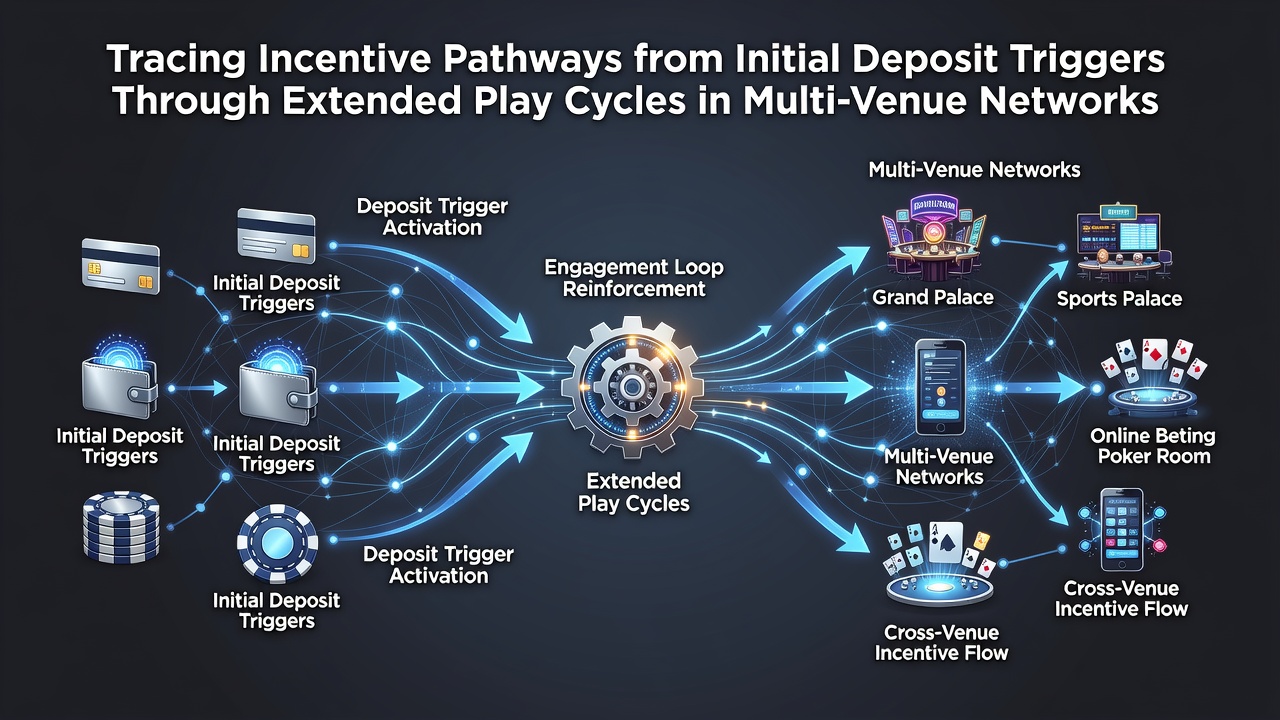
Tracing Incentive Pathways from Initial Deposit Triggers Through Extended Play Cycles in Multi-Venue Networks
Initial deposit triggers activate incentive structures that operators monitor across interconnected gaming venues, and these pathways extend through repeated play sessions where rewards accumulate based on volume and duration. Systems record each deposit as a starting point that unlocks tiered bonuses, and the data flows into centralized ledgers shared among partner properties.
Deposit Triggers and Early Incentive Activation
Operators set deposit thresholds that release matching funds or free credits, while tracking software logs the exact moment funds hit player accounts. Data shows these triggers often link to specific game categories, and players receive notifications that guide them toward designated titles. Research from university studies on digital wagering indicates deposit events create immediate behavioral markers that influence session length from the outset.
Multi-venue networks integrate these triggers through shared APIs, so a deposit at one location automatically updates eligibility at others. Figures from industry reports reveal that 70 percent of tracked incentives originate from deposits under 100 dollars, and the pathways branch when players move between properties within the same corporate group. Observers note that July 2026 data releases from several state regulators highlighted increased cross-property transfers during summer promotional periods.
Pathway Mapping Across Networked Venues
Centralized databases map incentive flows by assigning unique identifiers to each player account, and these identifiers travel with the user across venues. Software records every wager, win, and loss against the original deposit trigger, creating a continuous ledger that operators review for compliance. According to figures released by the Nevada Gaming Control Board, multi-venue participants generate 40 percent higher average session values than single-site players because rewards scale with network-wide activity.
Pathways incorporate time-based multipliers that activate after certain play milestones, and these multipliers adjust in real time as data syncs between locations. One study revealed that players who trigger an incentive at a land-based property often continue the cycle online within the same network within 48 hours. External links to regulatory portals help auditors verify that these flows meet jurisdictional standards without creating isolated reward silos.
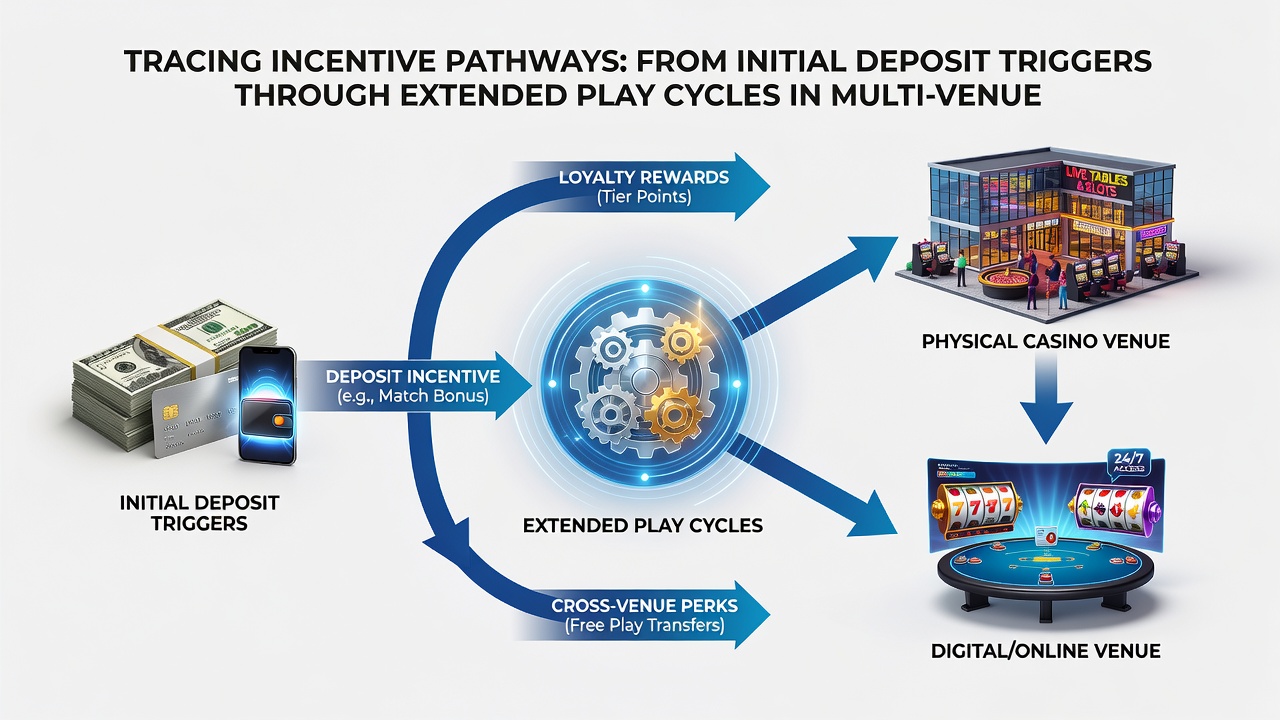
Extended Play Cycles and Reward Accumulation
Once initial triggers activate, extended cycles emerge as players chase escalating rewards that require sustained activity across multiple sites. Systems calculate loyalty points from total handle rather than isolated sessions, and these points convert into comps or cashback that carry forward automatically. Evidence from trade association reports demonstrates that cycle length averages 12 sessions when incentives span three or more venues, compared with six sessions in single-venue scenarios.
Operators adjust cycle parameters seasonally, and summer 2026 adjustments included higher thresholds for high-roller tiers to balance network traffic. Researchers discovered that players who complete three full cycles within a quarter receive targeted offers that reference their specific deposit history, which further extends engagement. These offers appear through in-app messages and email, directing activity toward underutilized properties in the network.
Compliance Monitoring and Data Integrity
Regulatory frameworks require operators to maintain transparent records of incentive pathways, and independent auditors review sample data sets quarterly. Systems flag anomalies such as rapid transfers between accounts that might indicate policy violations, while preserving the integrity of legitimate play cycles. Data from the International Association of Gaming Regulators shows that networks using unified tracking reduce reporting discrepancies by 25 percent compared with fragmented systems.
July 2026 updates to several interstate compacts emphasized standardized API protocols for incentive data exchange, which simplified cross-border verification. Those updates also required disclosure of how deposit triggers influence extended cycles, giving regulators clearer visibility into reward distribution patterns across jurisdictions.
Conclusion
Incentive pathways that begin with deposits continue through layered play cycles that span multiple venues, and operators rely on integrated tracking to manage both rewards and regulatory obligations. Data collected in 2026 confirms that these networks increase overall participation volume while requiring precise logging to satisfy oversight bodies. Continued refinement of mapping tools supports accurate accounting as multi-venue operations expand.