The Role of Behavioral Analytics in Promoting Safer Engagement Practices Among Frequent Participants in Online Gaming Platforms
Written by Blake Vogel · May 20, 2026
The Role of Behavioral Analytics in Promoting Safer Engagement Practices Among Frequent Participants in Online Gaming Platforms
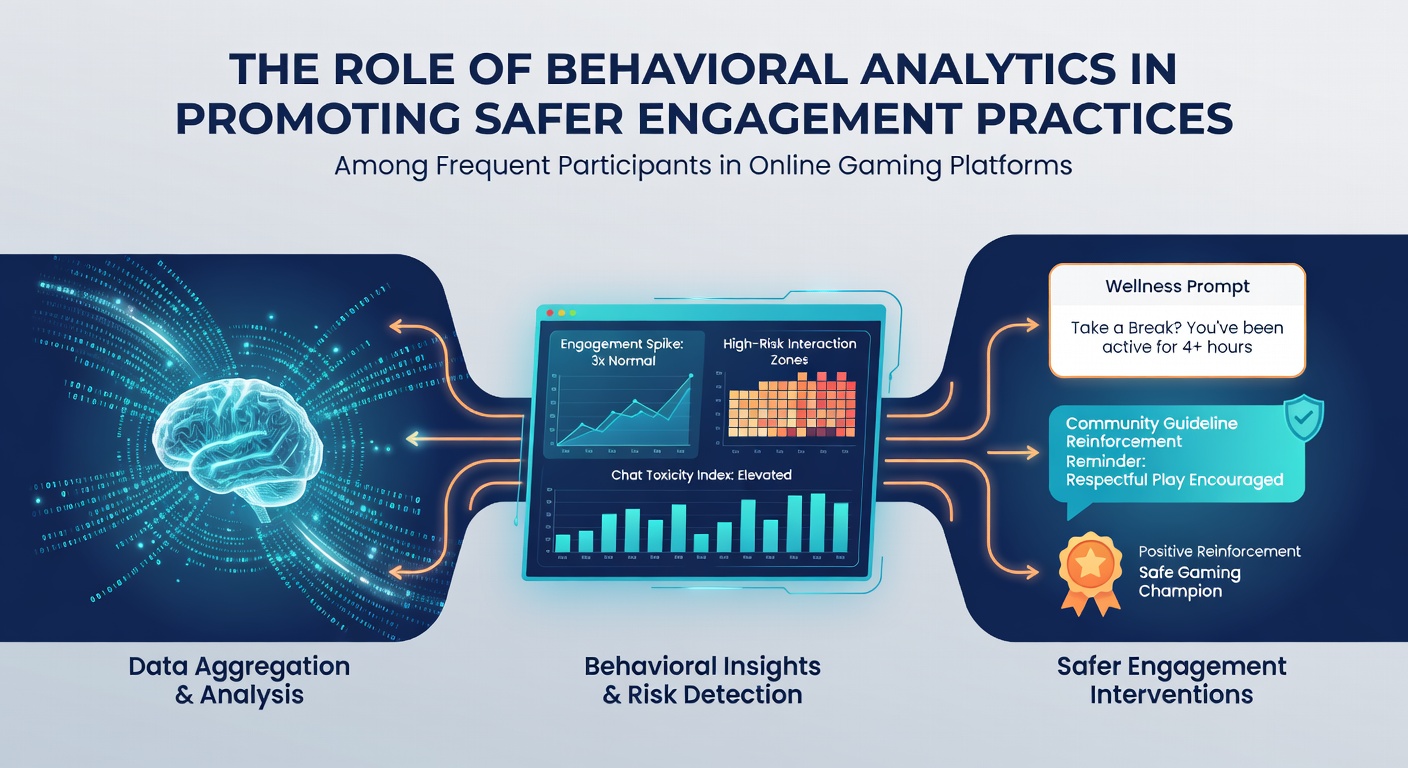
Behavioral analytics has become a core component of operations across major online gaming platforms, where systems monitor player activity to identify patterns that signal potential risks while supporting continued participation. Platforms collect data on session length, bet frequency, deposit amounts, and time-of-day preferences, then apply algorithms to flag deviations from established norms. Researchers at academic institutions have documented how these tools process millions of data points daily, allowing operators to respond with targeted interventions that encourage moderation without disrupting overall user experience. In May 2026 several large platforms reported expanded use of these systems following internal reviews that linked early detection features to measurable shifts in play duration among high-frequency users.Core Data Points Captured by Analytics Systems
Operators focus on specific indicators that reveal engagement intensity, including rapid successive bets, increasing stake sizes within short windows, and extended log-in periods that span multiple hours without breaks. These metrics combine with historical records to build individual profiles that update in real time, so any acceleration in activity triggers alerts to support teams. Data from industry reports shows platforms now track more than twenty variables per session, ranging from device type and connection stability to withdrawal patterns that sometimes precede longer play streaks. Such comprehensive collection allows analysts to distinguish between routine entertainment and behaviors that may require attention.
Intervention Methods Derived from Pattern Recognition
Once algorithms detect concerning trends, platforms deploy automated messages, temporary cooling-off prompts, or personalized limit suggestions delivered through in-app notifications. One operator that integrated these features in early 2025 recorded a 12 percent reduction in average session times among users who received at least two alerts during the first month of implementation. Support staff also receive summarized reports that highlight players whose activity crosses predefined thresholds, enabling direct outreach when automated tools alone prove insufficient. These steps operate alongside voluntary self-exclusion options that players can activate instantly through account settings.
Regulatory and Industry Context in 2026
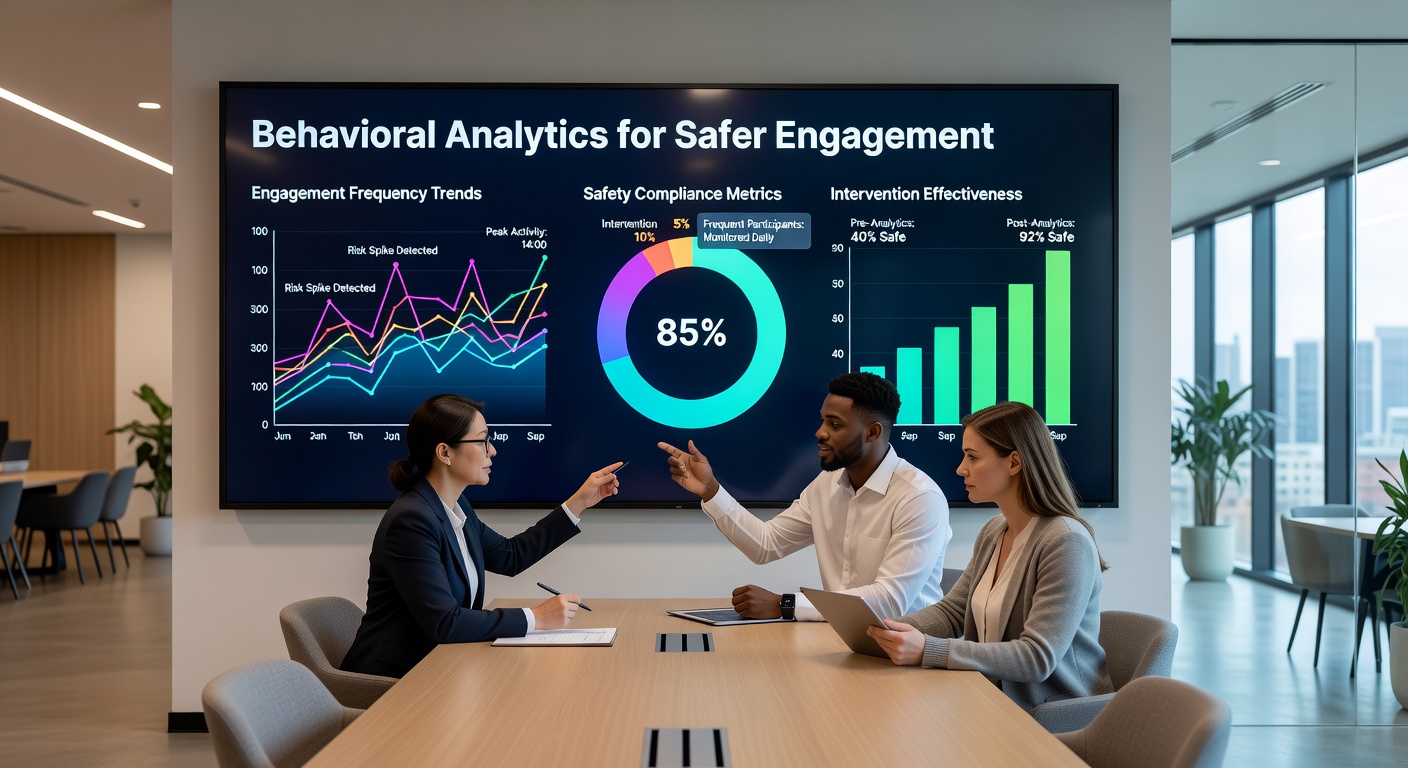
By May 2026 several jurisdictions had updated licensing conditions to require documented use of behavioral monitoring for all operators holding active permits. European regulators emphasized transparency around how data informs player communications, while North American frameworks focused on audit trails that verify intervention effectiveness. Industry associations have published guidelines that outline minimum data retention periods and security standards for protecting sensitive profiles. Observers note that compliance now includes quarterly reviews where platforms must demonstrate measurable outcomes from their analytics programs, such as decreased repeat deposits within identified risk windows.
Academic Research Supporting Analytics Applications
Studies conducted at universities across Australia and Canada have examined large anonymized datasets to assess whether behavioral flags correlate with later self-reported satisfaction or reduced expenditure. Findings indicate that players who encounter limit reminders early in extended sessions often adjust their activity within the same day, although results vary by game category and user tenure. Research teams continue to refine models that incorporate machine-learning layers capable of predicting future session volume based on the prior seven days of activity. These models feed into broader responsible-gaming frameworks that operators adopt voluntarily or under regulatory mandate.
Implementation Examples Across Platforms
One North American site introduced a dashboard that displays real-time risk scores to players themselves, allowing individuals to view their own patterns before deciding on breaks. A separate European platform partnered with an academic research group to test personalized messaging that references specific metrics, such as total hours played in the preceding week. Both initiatives produced internal statistics showing higher uptake of deposit caps among frequent users compared with generic pop-up reminders. Industry conferences in spring 2026 featured sessions detailing these case outcomes, highlighting the importance of clear language in all communications generated by analytics engines.
Privacy and Ethical Considerations
Platforms must balance detailed monitoring with data-protection obligations that vary by region. Encryption standards, limited retention windows, and opt-out mechanisms for certain non-essential tracking form standard practice. External audits verify that analytics systems do not share individual profiles with third parties beyond aggregated reports used for service improvement. Legal frameworks in multiple countries now mandate annual disclosures that describe how behavioral data contributes to player-safety measures, ensuring users receive information about the processes affecting their accounts.
Conclusion
Behavioral analytics continues to shape how online gaming platforms address engagement among frequent participants through systematic data review and responsive tools. As of May 2026, integration of these systems aligns with evolving regulatory expectations and research findings that link early pattern recognition to adjusted play habits. Continued refinement of algorithms, combined with transparent communication, supports the ongoing development of safer practices across the sector.