The Connection Between Verified Transaction Histories and Customized Limit-Setting Tools in Virtual Card Rooms
Written by Rosa Becker · Aug 24, 2026
The Connection Between Verified Transaction Histories and Customized Limit-Setting Tools in Virtual Card Rooms
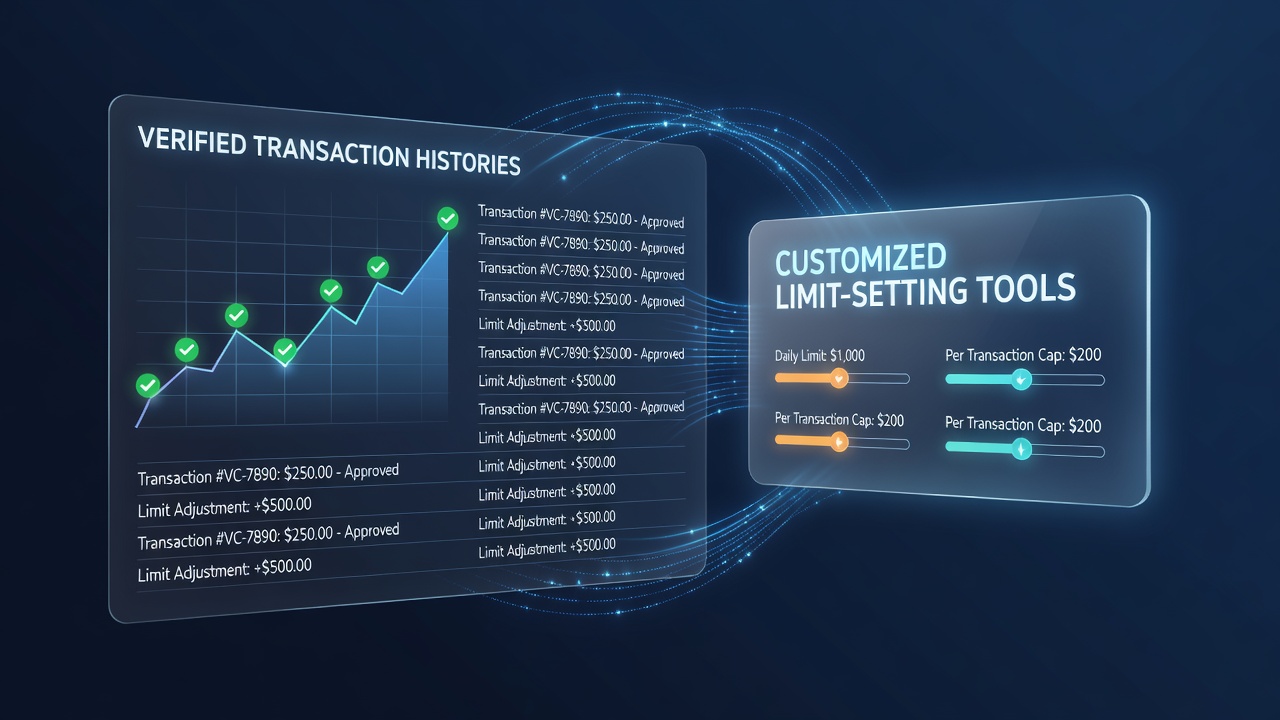
Virtual card rooms operate through platforms that track player activity across poker tables and similar games, and verified transaction histories form the backbone for any system that adjusts spending controls in real time. These histories record deposits, withdrawals, and game-specific transfers with timestamps and amounts, creating datasets that software uses to calibrate limit-setting tools for individual accounts. Data from multiple jurisdictions shows that platforms integrating transaction verification with limit tools report higher compliance rates during routine audits.
Building Reliable Transaction Records
Verification processes begin when players link bank accounts or digital wallets to their profiles, and each transfer receives confirmation through third-party processors before it appears in the history log. Researchers at institutions focused on digital finance have noted that this step reduces discrepancies in balance reporting, which in turn allows limit tools to reference accurate baselines rather than estimated figures. In August 2026 several major platforms updated their verification protocols to include multi-factor checks on every deposit above a set threshold, producing more granular records that feed directly into personalized controls.
Transaction histories also capture patterns such as frequency of top-ups and average session values, and these details become inputs for algorithms that suggest or enforce limits. Observers note that without verified data the algorithms lack the precision needed to distinguish between routine play and sudden spikes in activity.
How Limit-Setting Tools Use Historical Data
Customized limit tools let players or operators establish boundaries on deposits, losses, or time spent, yet the customization relies on historical patterns to avoid generic defaults that may not fit actual behavior. When a verified history shows consistent weekly deposits within a narrow range, the tool can propose a limit that aligns with that range while still offering room for occasional adjustments. Studies from North American regulatory bodies indicate that such alignment increases the likelihood that players will keep limits active over longer periods.
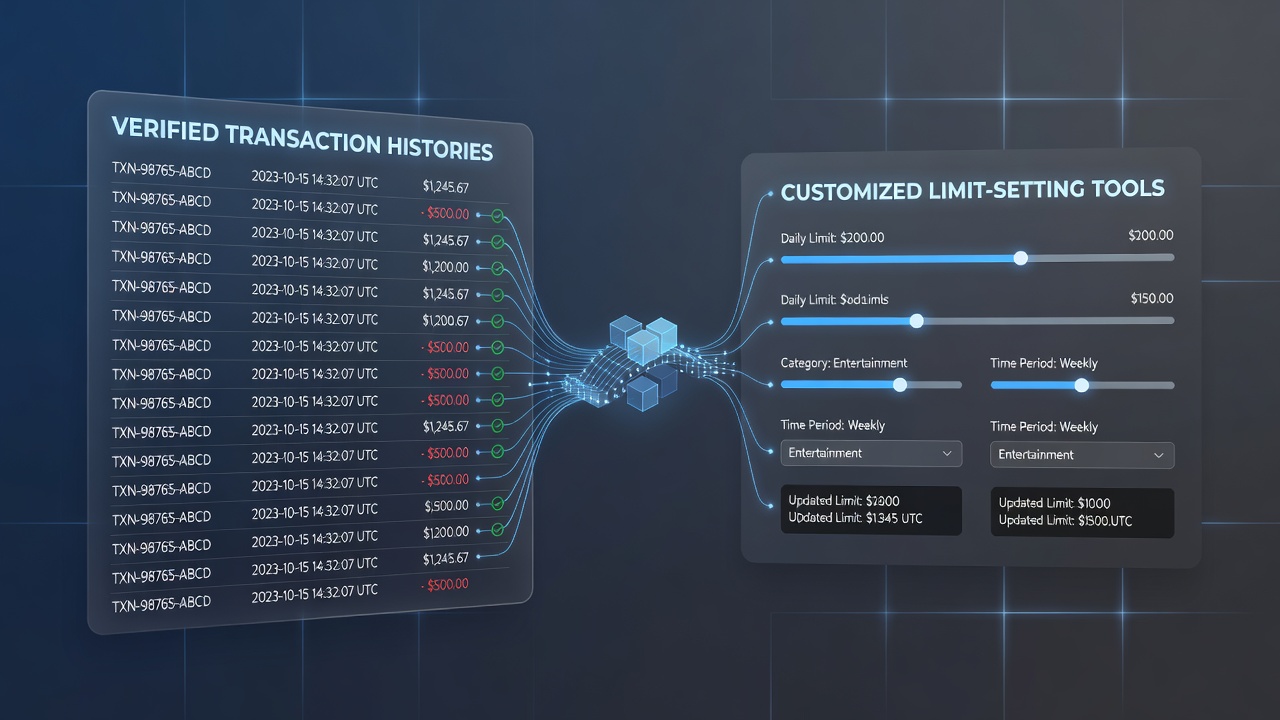
Platforms often combine transaction data with game-type specifics, for instance separating cash-game transfers from tournament buy-ins, so that limits can be set per category rather than as a single blanket figure. This segmentation appears in software updates released throughout 2025 and 2026, reflecting demands from operators who manage large multi-table environments.
Regulatory and Operational Integration
Regulators in several regions require operators to demonstrate that limit tools draw from verified records rather than self-reported information alone. The Malta Gaming Authority has published guidelines that outline minimum data fields operators must retain, including source of funds verification and chronological spend logs, to support responsible gaming features. Similar expectations appear in frameworks issued by Canadian provincial authorities, where operators must show audit trails linking transaction histories to any active limits.
Operators report that when these connections function smoothly, fewer manual reviews are needed during player disputes or compliance checks. The National Council on Problem Gambling maintains resources that describe how verified histories help platforms flag accounts showing rapid escalation in activity, prompting the system to suggest tighter limits before problems compound.
Technical Mechanisms Behind the Connection
Application programming interfaces pull verified transaction data into limit engines at set intervals, and machine-learning models compare current activity against historical norms to recommend or trigger adjustments. When a player attempts a deposit that would exceed a calculated threshold based on past patterns, the system can block the transfer or require additional confirmation steps. These automated responses reduce the need for constant human oversight while still maintaining records that satisfy external audits.
Encryption standards applied to transaction logs ensure that the same data used for limit calculations remains protected against unauthorized access, and platforms that adopted updated standards in mid-2026 observed measurable drops in data-handling incidents during routine security assessments.
Conclusion
Verified transaction histories supply the factual foundation that customized limit-setting tools require to operate effectively in virtual card rooms. The linkage between the two elements supports both operational efficiency and regulatory compliance across multiple jurisdictions, with ongoing software refinements continuing to strengthen that connection through 2026 and beyond. Platforms that maintain accurate, accessible records find it easier to tailor limits that reflect real player behavior rather than assumptions.