Regulatory Harmonization Driving Standardized RNG Certification Protocols Across Fragmented Asian Digital Wagering Jurisdictions
Written by Devon Flores · Jul 8, 2026
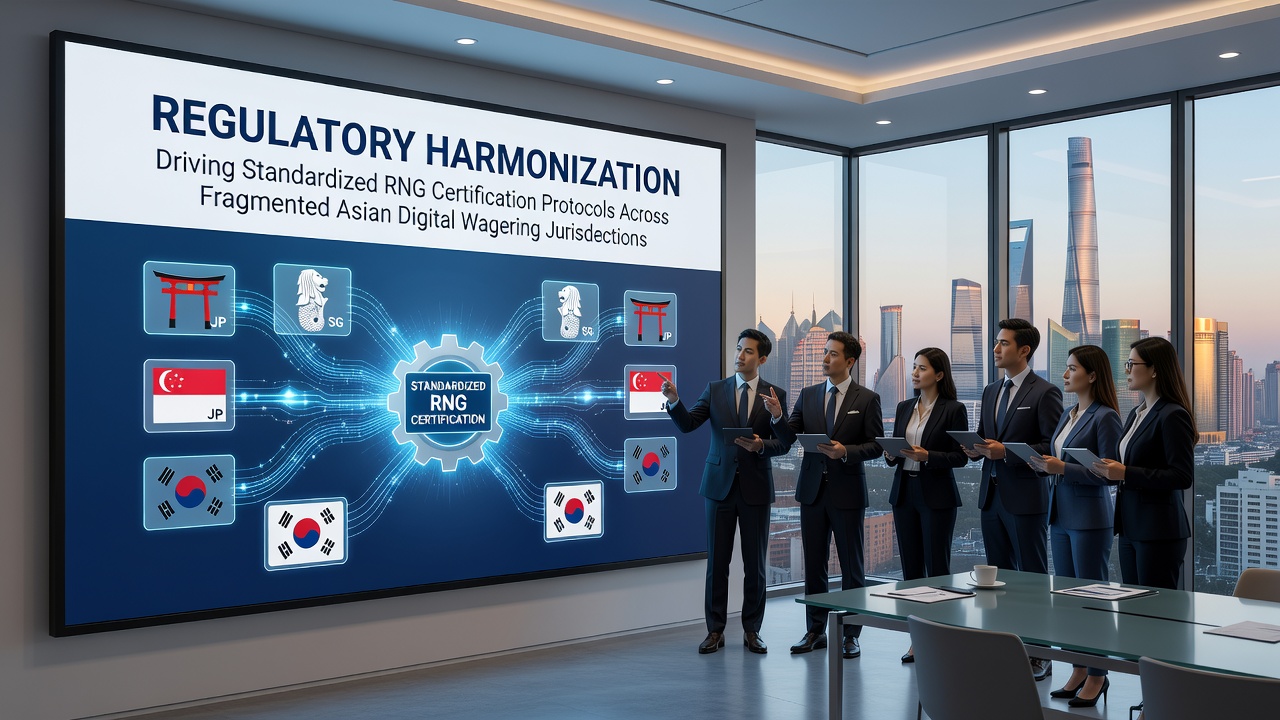
Regulatory Harmonization Driving Standardized RNG Certification Protocols Across Fragmented Asian Digital Wagering Jurisdictions
Asian digital wagering markets have long operated under separate regulatory frameworks that created inconsistent requirements for random number generator testing and approval, yet recent coordination efforts among multiple jurisdictions have begun to align certification standards in measurable ways. Government agencies across the region have exchanged technical specifications and audit methodologies since early 2025, which produced draft common protocols that several markets adopted by mid-2026.
Fragmented Regulatory Landscape Before Alignment Efforts
Jurisdictions such as Singapore, the Philippines, Macau, Japan, and emerging markets in Vietnam and Thailand maintained distinct RNG evaluation procedures that required operators to submit separate testing packages for each license. Data compiled by regional gaming associations shows that these duplicated processes increased compliance costs by an average of 35 percent for multi-market platforms, while certification timelines stretched from four weeks to as long as fourteen weeks depending on the authority involved. Observers note that differences in acceptable statistical confidence levels and entropy source requirements further complicated cross-border deployments.
Coordination Mechanisms and Technical Working Groups
Regulatory bodies established bilateral and multilateral working groups that focused on shared RNG evaluation criteria, and these groups released joint guidance documents in the first quarter of 2026. The Philippine Amusement and Gaming Corporation participated alongside Singapore's Gambling Regulatory Authority and Japan's Casino Regulatory Commission, while technical representatives from the Asian Gaming and Gambling Association provided comparative data from other markets. Participants agreed on standardized test suites that include both statistical randomness verification and hardware entropy source validation, which reduced the need for redundant laboratory submissions.
Standardized RNG Certification Elements Adopted Regionally
Common protocols now specify minimum bit lengths for seed generation, approved statistical test batteries drawn from NIST and Dieharder suites, and mandatory re-certification intervals of twelve months. Laboratories accredited under the new framework must demonstrate competence in both software and hardware evaluation, and several testing houses have expanded their Asia-Pacific facilities to handle increased volume. Figures released by the coordination secretariat indicate that 28 operators completed harmonized RNG audits by July 2026, compared with only nine that achieved simultaneous multi-jurisdiction approval in the previous year.
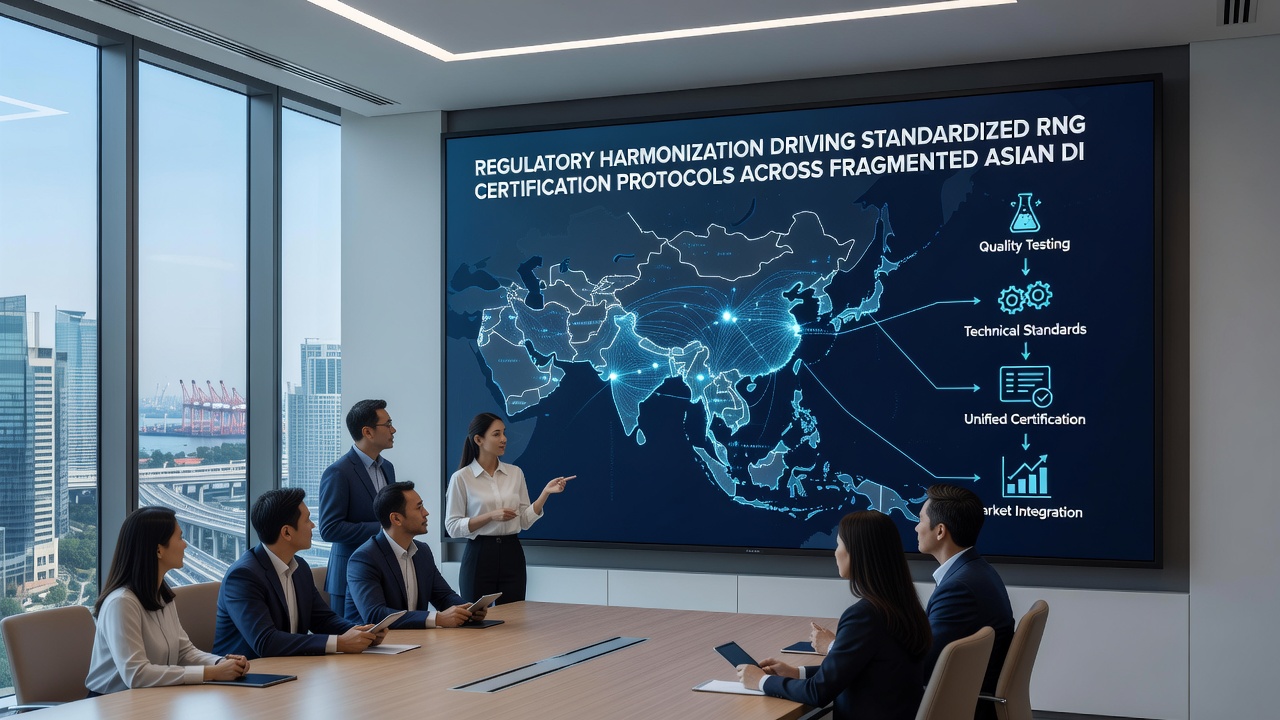
Those who've studied the transition report that mutual recognition agreements allow certificates issued under the common protocol to be accepted across participating jurisdictions without additional review, provided the issuing laboratory holds current accreditation. This arrangement has shortened average approval times to six weeks for compliant submissions, while maintaining the same pass rates previously observed under stricter individual regimes.
Implementation Timelines and July 2026 Milestones
By July 2026 several markets had completed the first round of joint audits under the harmonized framework, and regulators scheduled a follow-up technical summit for later that month to review initial performance data. Singapore and the Philippines began accepting each other's RNG certificates on a pilot basis in June, which produced immediate processing efficiencies for two major platform operators. Japanese authorities incorporated the common protocol into their integrated resort licensing process, requiring all online components to demonstrate compliance before full commercial launch.
Remaining Variations and Ongoing Challenges
Despite progress, some local requirements persist outside the core RNG specifications, including jurisdiction-specific logging formats and player-fund segregation rules that still demand separate technical reviews. Researchers tracking adoption rates have documented that smaller operators in emerging markets face capacity constraints when preparing for harmonized audits, while larger platforms report smoother transitions because of existing enterprise compliance teams. Data from the coordination working groups shows that 14 percent of initial submissions required resubmission due to documentation gaps rather than technical failures in the RNG itself.
Conclusion
Regional regulatory bodies continue to refine the common RNG certification framework through scheduled reviews and data sharing, while operators adapt internal testing pipelines to meet unified standards. The alignment process has already produced measurable reductions in duplicated effort across participating Asian markets, and further updates scheduled after the July 2026 summit will determine the pace of additional convergence.