Mapping Resource Flows in Cross-Border Digital Wagering Networks and Their Relation to Compliance Standards
Written by Finley Butler · Jun 20, 2026
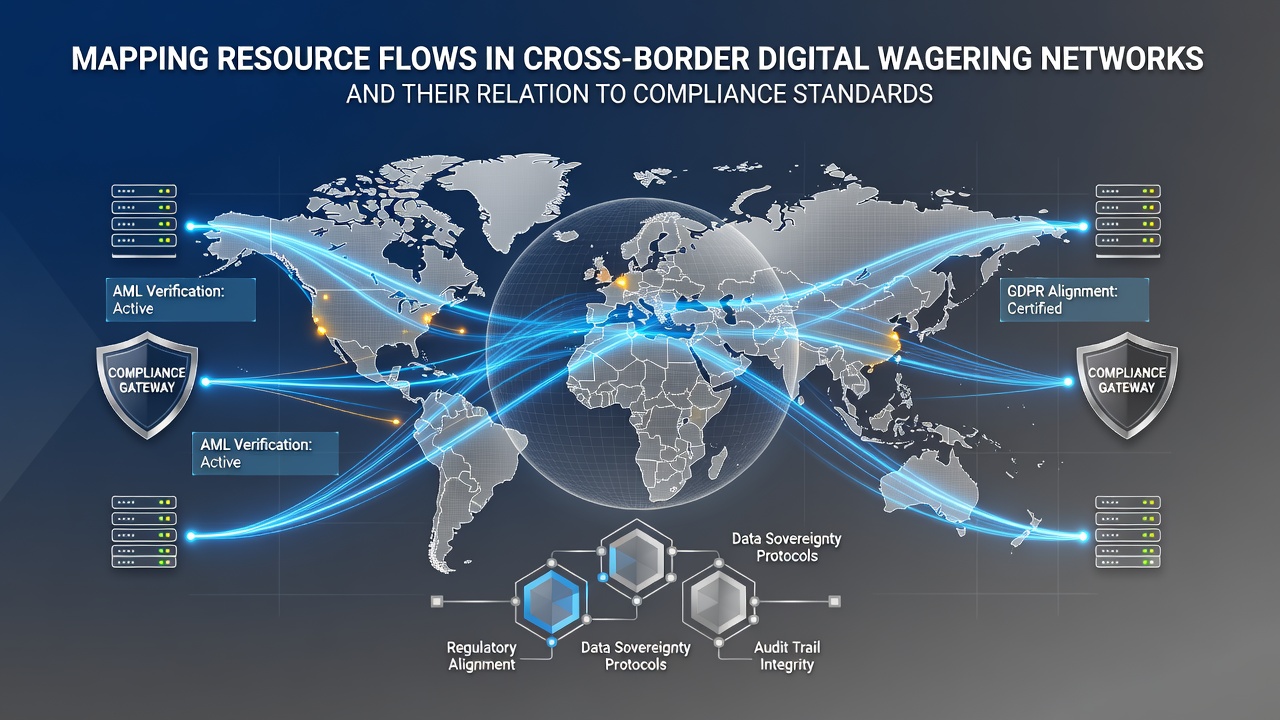
Mapping Resource Flows in Cross-Border Digital Wagering Networks and Their Relation to Compliance Standards
Resource flows in cross-border digital wagering networks encompass the movement of funds, player data, and transaction records across international boundaries, and these patterns directly intersect with compliance standards enforced by various regulatory bodies. Operators track deposits, withdrawals, and bet settlements through layered payment processors, while data packets containing user verification details travel alongside the financial streams. Observers note that such networks often route activity through multiple jurisdictions to optimize latency or access specific markets, which creates layered audit trails that compliance teams must reconstruct.
Understanding the Flow Architecture
Digital wagering platforms maintain backend ledgers that record each transaction in real time, yet the actual funds may clear through banks or fintech intermediaries located continents away. A single wager placed in one country can trigger settlement instructions that pass through payment gateways in another region before final reconciliation occurs in a third. Researchers have mapped these routes using transaction graph analysis, which reveals clusters where high-volume activity concentrates around certain payment corridors. In June 2026 several industry reports highlighted increased traffic through Southeast Asian processing hubs, a development that prompted regulators in Australia and Canada to request enhanced reporting from licensed operators.
Compliance Standards That Shape Mapping Requirements
Anti-money laundering rules, know-your-customer protocols, and tax reporting obligations all require operators to maintain accurate maps of where funds originate and terminate. The Financial Crimes Enforcement Network in the United States maintains guidance that directs financial institutions, including those serving wagering platforms, to identify beneficial owners and flag unusual cross-border patterns. Similarly, the Australian Transaction Reports and Analysis Centre requires entities to submit threshold transaction reports whenever activity crosses defined monetary limits. These obligations force companies to deploy software that can trace wallet addresses, IP logs, and payment rail identifiers back to their source jurisdictions.
Payment service providers often embed compliance checks at each hop, which generates metadata that mapping tools later aggregate. When a European user funds an account through a Latin American processor, the resulting data trail must satisfy both the European Union's payment services directives and any local licensing conditions in the destination market. Data shows that mismatches between declared player locations and actual IP addresses frequently trigger automated alerts, prompting manual reviews that can span several days.
Tools and Techniques for Resource Mapping
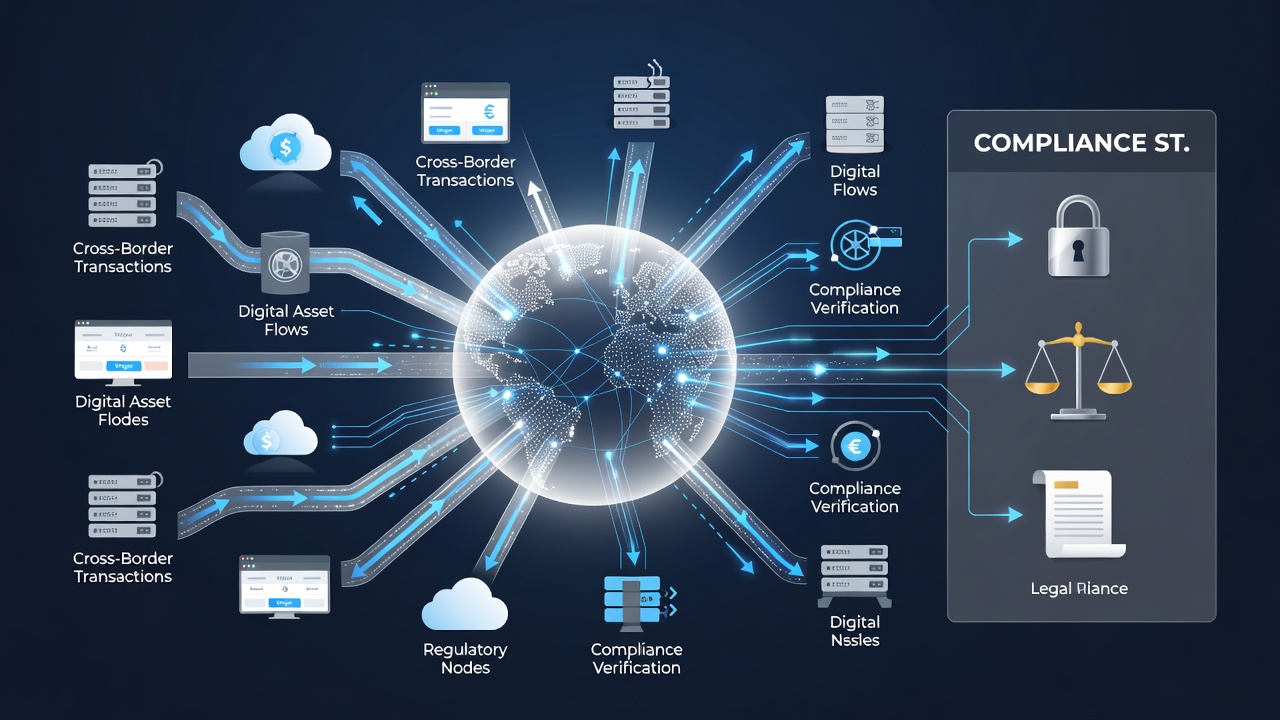
Specialized analytics platforms combine blockchain explorers with traditional banking feeds to reconstruct end-to-end flows. These systems flag velocity anomalies, such as rapid cycling of funds across three or more countries within a single session. Operators integrate these tools into their existing risk engines so that compliance officers receive prioritized alerts rather than raw data dumps. One study released by a European research consortium in early 2026 demonstrated that graph-based visualization reduced the time required to complete suspicious activity reviews by approximately 30 percent when compared with spreadsheet methods.
Regional Regulatory Variations and Their Impact
Different jurisdictions impose distinct record-keeping periods and data-sharing expectations. Canadian provincial regulators, for instance, emphasize real-time reporting to provincial gaming authorities, whereas certain U.S. tribal gaming compacts focus on quarterly aggregate submissions to the National Indian Gaming Commission. These differences mean that a single operator serving multiple markets must maintain parallel mapping schemas that can be queried according to each regulator's format. Industry associations such as the European Gaming and Betting Association have published interoperability guidelines that encourage standardized data fields, yet adoption remains uneven across smaller platforms.
Tax authorities add another layer because winnings and operator revenues may be subject to withholding rules that depend on the player's country of residence. Mapping systems therefore incorporate geolocation verification at the point of registration and again at payout, which reduces the risk of misallocated tax liabilities. Figures from the U.S. Internal Revenue Service indicate that cross-border wagering platforms filed over 1.2 million information returns related to player winnings during the 2025 tax year, underscoring the volume of data that must be reconciled.
Emerging Challenges in June 2026
By June 2026 several operators reported difficulties reconciling flows routed through decentralized finance protocols, because wallet clustering techniques sometimes fail to link anonymous addresses to verified user identities. Regulators in multiple regions responded by updating guidance that now requires platforms to obtain source-of-funds declarations for transactions exceeding defined thresholds, regardless of the payment rail used. These updates have accelerated investment in machine-learning models that can detect obfuscation patterns earlier in the transaction lifecycle.
Conclusion
Accurate mapping of resource flows remains central to satisfying compliance standards across borders because regulators rely on these visualizations to assess risk and enforce reporting rules. As digital wagering networks continue to expand, the ability to reconstruct transaction paths quickly and reliably determines whether operators can maintain licenses and avoid enforcement actions. Continued collaboration between technology vendors, payment processors, and regulatory agencies supports the development of more precise mapping methods that align with evolving legal requirements in different jurisdictions.