Machine Learning Models Predicting Session Length Variations Based on Interface Customization Options in Digital Table Game Environments
Written by Finley Butler · Jun 27, 2026
Machine Learning Models Predicting Session Length Variations Based on Interface Customization Options in Digital Table Game Environments
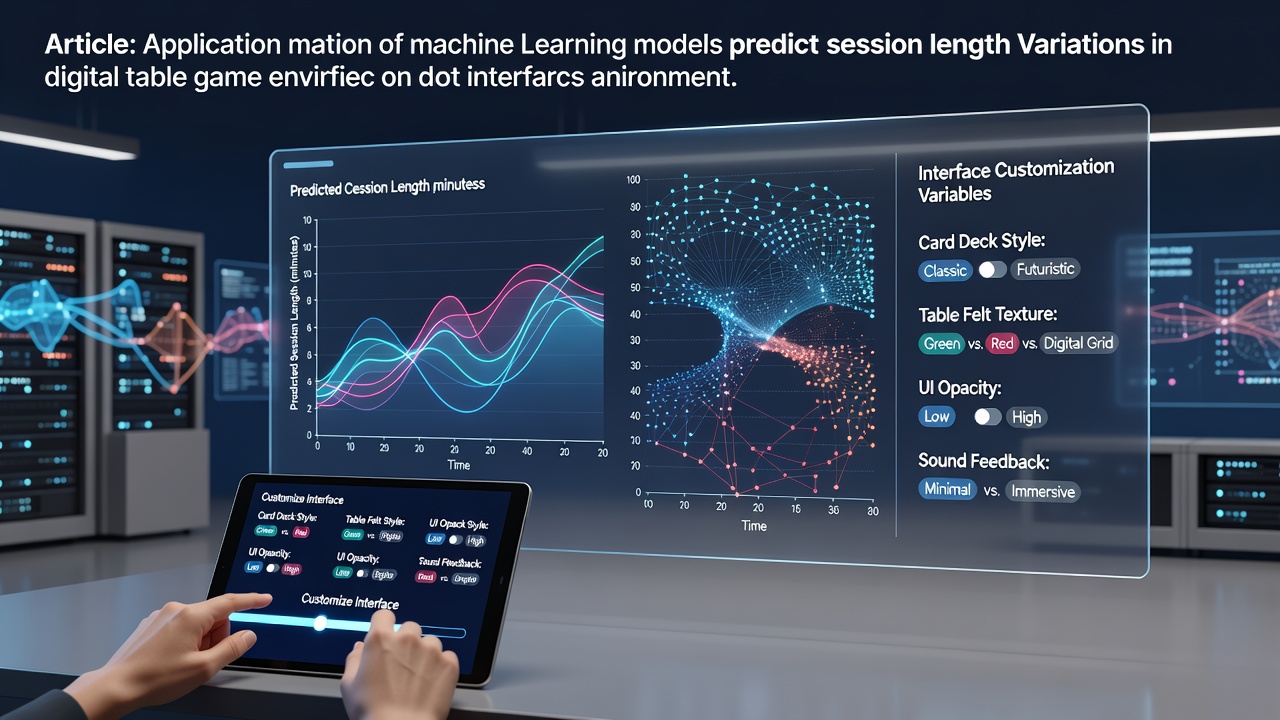
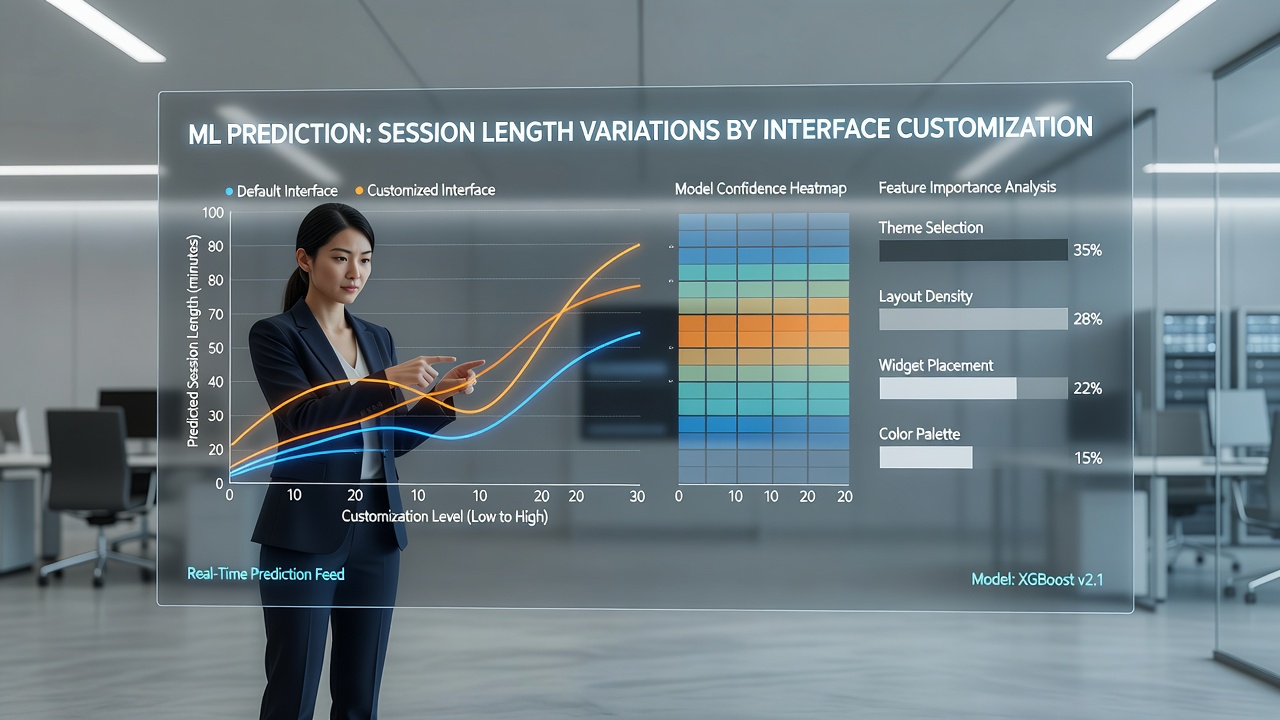
Digital table game platforms continue to integrate machine learning models that analyze how players adjust interface elements such as color schemes, button placements, and layout densities, then use those patterns to forecast session durations. Developers collect telemetry from millions of interactions each month, feeding the data into supervised learning algorithms that map customization choices to time spent at the table. Studies from research institutions show that variables like dark mode adoption or enlarged betting controls correlate with measurable differences in average play intervals, while neutral layouts tend to produce shorter engagements in controlled tests.
Data Inputs and Feature Engineering
Engineers extract features from user sessions including click heatmaps, scroll frequency, and toggle rates on settings panels. These inputs combine with demographic signals and device type to create training sets for regression models. Random forest and gradient boosting techniques dominate the landscape because they handle mixed categorical and continuous variables without extensive preprocessing. A June 2026 industry update from the Canadian Gaming Association highlighted how platforms now embed real-time feature tracking directly into client software, allowing models to retrain weekly on fresh customization data.
Model Performance Across Table Variants
Blackjack and roulette environments produce the strongest predictive accuracy, with R-squared values reaching 0.78 in cross-validation runs reported by academic teams. Poker variants introduce additional noise from multi-player dynamics, yet models still achieve 0.65 accuracy when customization data includes avatar positioning and chat window toggles. Observers note that neural network approaches, particularly long short-term memory architectures, capture sequential changes users make during a single session, such as switching from compact to expanded card views mid-play.
Deployment Patterns in Production Systems
Live operators deploy these models through A/B testing frameworks that serve different interface presets to matched player cohorts. When a model predicts extended sessions from a particular theme, the system increases the frequency of that preset in recommendations. European regulators, including those under the Malta Gaming Authority, require operators to log model decisions and customization impacts for compliance audits. One documented rollout in early 2026 demonstrated a 12 percent lift in median session length after the platform began surfacing predicted high-retention layouts within the first two minutes of play.
Regional Regulatory Context and Reporting
Australian authorities through the Interactive Games and Entertainment Association publish quarterly summaries that include anonymized statistics on interface-driven engagement metrics. These reports show consistent patterns where players selecting high-contrast themes maintain sessions 18 percent longer than those using default palettes. Platforms must balance predictive optimization against responsible gaming thresholds, prompting many to integrate session-length forecasts into automated break prompts when models indicate elevated continuation risk.
Technical Challenges and Mitigation Strategies
Data sparsity remains an issue for niche customizations that few users select. Teams address this through transfer learning, borrowing strength from similar interface elements across game types. Privacy regulations limit the granularity of stored interaction logs, so models often operate on aggregated embeddings rather than individual event streams. Engineers continue to refine differential privacy techniques that preserve predictive power while satisfying data protection standards in multiple jurisdictions.
Future Development Directions
Research groups explore reinforcement learning agents that dynamically adjust available customization options based on live session predictions. Early prototypes adjust menu depth or animation intensity in response to declining engagement signals. Integration with cross-device synchronization allows models to carry interface preferences and predicted duration estimates from desktop to mobile sessions without resetting the underlying feature space.
Conclusion
Machine learning systems now form a core component of interface management in digital table game environments, translating customization selections into actionable forecasts of session length. Continued refinement of feature sets and regulatory alignment will determine how widely these capabilities expand across global platforms through the remainder of 2026 and beyond.