How Sound Layering in Virtual Card Rooms Recalibrates Timing Decisions During Extended Multi-Device Sessions
Written by Dana Keller · Aug 24, 2026
How Sound Layering in Virtual Card Rooms Recalibrates Timing Decisions During Extended Multi-Device Sessions
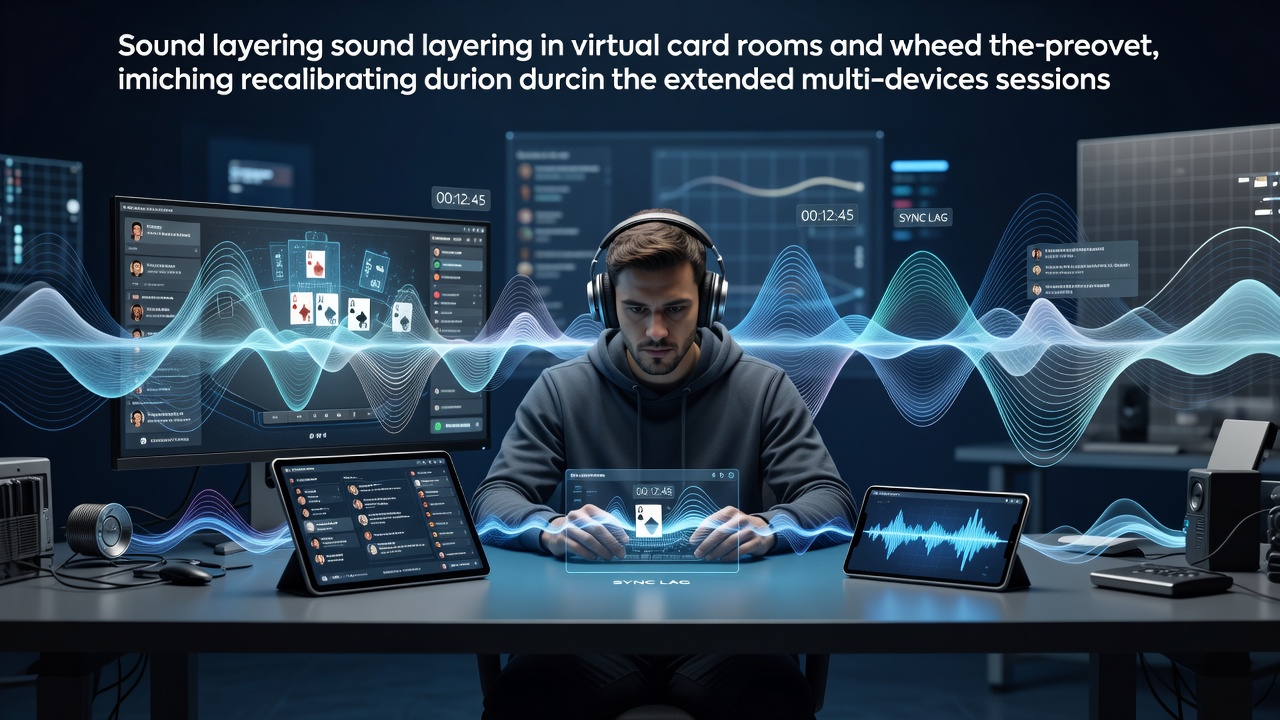
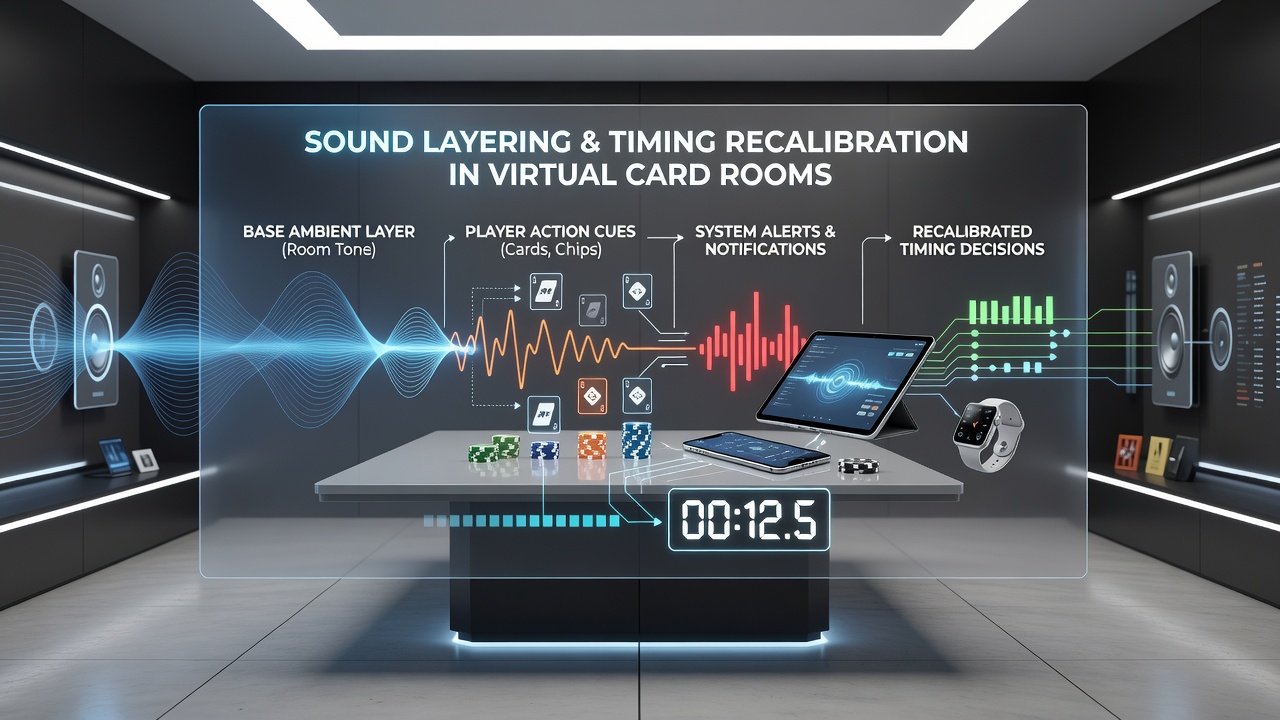
Virtual card rooms integrate multiple audio tracks that include ambient table noise, chip sounds, card shuffles, and notification chimes, and these layers combine to shape how participants process time during long sessions across phones, tablets, and desktops. Researchers examining platform data from major operators have documented shifts in average decision intervals when sound profiles change, with layered cues often shortening response windows by aligning auditory signals with visual updates on each device. Operators adjust volume hierarchies so that critical alerts cut through background elements while maintaining a consistent acoustic environment that spans separate screens.
Audio Components and Their Integration
Sound designers build separate channels for environmental effects, interface feedback, and player-specific prompts, then route them through device-specific mixers that account for speaker quality and user settings. Data collected across platforms in the first half of 2026 shows that sessions lasting beyond ninety minutes exhibit measurable changes in betting cadence once the secondary audio layer activates, particularly when users switch between a primary tablet view and a secondary phone for chat or statistics. The layering process relies on real-time synchronization protocols that prevent audio drift between devices, and studies from academic labs focusing on multisensory integration confirm that this alignment helps maintain consistent internal timing references even as visual latency varies.
Impact on Decision Timing Across Devices
Extended sessions introduce fatigue that normally lengthens pauses between actions, yet operators report that calibrated sound layers counteract this trend by providing rhythmic anchors that prompt quicker recognition of turn windows. Figures from platform analytics released in August 2026 indicate a 12 to 18 percent reduction in average decision duration when users maintain active audio across two devices compared with muted configurations. The effect appears strongest in multi-table formats where overlapping rounds require rapid attention shifts, and the secondary device supplies supplementary audio cues that reinforce timing without requiring users to glance away from the main screen.
Technical Mechanisms Behind Recalibration
Engineers employ dynamic mixing algorithms that raise the prominence of timing-related sounds, such as a distinct chime for turn notifications, while attenuating less urgent ambient tracks during peak activity periods. These adjustments occur automatically based on session length metrics and device pairing data, and the resulting audio balance guides participants toward more uniform response patterns. Observers note that cross-device sessions benefit when low-frequency elements remain steady on the larger speaker while higher-frequency alerts route to the secondary device, creating a spatial audio map that supports faster orientation to new information.
Platform logs reveal that participants who enable full audio layering maintain steadier decision speeds throughout sessions exceeding two hours, whereas those relying on visual cues alone show progressive slowing after the initial sixty minutes. The recalibration process draws on established findings in cognitive research concerning auditory pacing, and operators incorporate these principles when configuring virtual tables for simultaneous multi-device access.
Regulatory and Industry Context
Regulators in several jurisdictions track how interface features influence play patterns, and recent guidance from the Alcohol and Gaming Commission of Ontario highlights the need for transparent audio settings that allow users to adjust layers independently. Industry reports compiled by the American Gaming Association document growing adoption of multi-device features alongside corresponding audio tools, with operators citing improved session continuity as a primary driver. Academic papers examining digital wagering environments further link layered sound design to measurable differences in response latency, particularly when sessions span heterogeneous hardware.
Future Developments in Audio Synchronization
Developers continue refining protocols that maintain phase coherence across devices even when network conditions fluctuate, and preliminary tests conducted through mid-2026 demonstrate additional gains in timing consistency when adaptive layering responds to individual session histories. These advances build on existing synchronization standards already deployed in live dealer and virtual table products, extending their reach to participants managing multiple screens simultaneously.
Conclusion
Sound layering in virtual card rooms functions as a timing support mechanism that integrates device-specific audio streams to stabilize decision intervals during prolonged multi-device use. Platform data and technical documentation establish clear connections between layered cues and response patterns, while regulatory frameworks and industry standards continue to shape how these features evolve. As operators expand cross-device capabilities, the role of coordinated audio design remains central to maintaining consistent engagement metrics across extended sessions.