How Cross-Border Tax Treaties Are Reshaping Loyalty Point Valuations in Multi-Jurisdictional Digital Poker Ecosystems
Written by Blake Vogel · Aug 5, 2026
How Cross-Border Tax Treaties Are Reshaping Loyalty Point Valuations in Multi-Jurisdictional Digital Poker Ecosystems
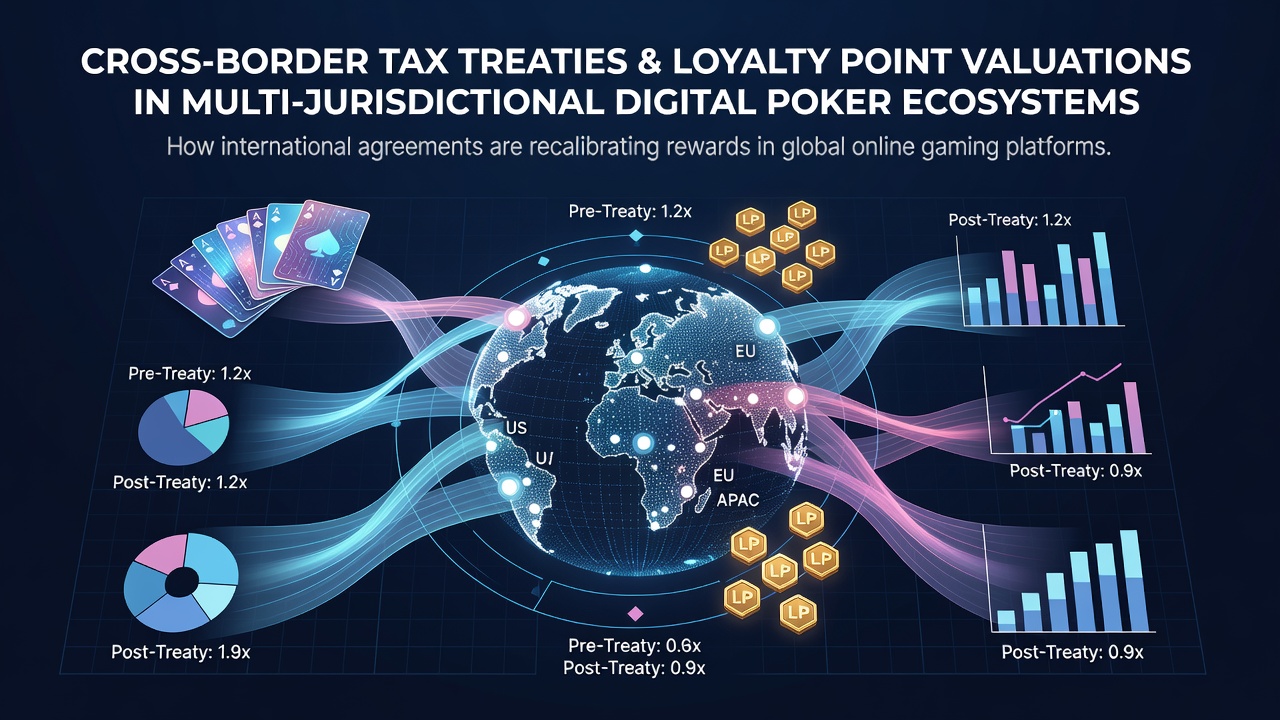
Digital poker platforms operating across multiple countries now face shifting rules on how loyalty points get valued for tax purposes, and cross-border treaties play a central role in that process. These agreements between nations determine whether points earned by players count as taxable income at the time of accrual or only upon redemption, which creates different compliance requirements depending on where both the operator and the player reside.
Treaties often address double taxation issues that arise when a point balance moves between jurisdictions with contrasting tax treatments, and data from the OECD shows several updated protocols finalized in early 2026 that specifically reference digital rewards programs. Platforms must track the geographic source of each point earned because treaty provisions can reclassify the economic value based on the player's primary tax residence rather than the platform's headquarters location.
Treaty Mechanisms Affecting Point Valuations
Many agreements now include clauses that treat loyalty points as a form of deferred compensation or ancillary benefit tied to gaming activity, which means valuation occurs at fair market rates established by the treaty's competent authority procedures. Operators in jurisdictions such as Malta and the Isle of Man report that they adjust internal accounting systems to reflect these valuations each quarter, especially when players hold accounts in treaty partner countries like Canada or Australia.
Research from the Australian Taxation Office indicates that loyalty points redeemed for tournament entries or cash equivalents trigger reporting obligations under recently revised double-tax conventions, while points left unredeemed may receive different treatment if the treaty contains a specific provision for contingent rights. This distinction forces platforms to maintain separate ledgers for accrued versus realized values across player bases spanning several regulatory zones.
Multi-Jurisdictional Platform Adjustments in 2026
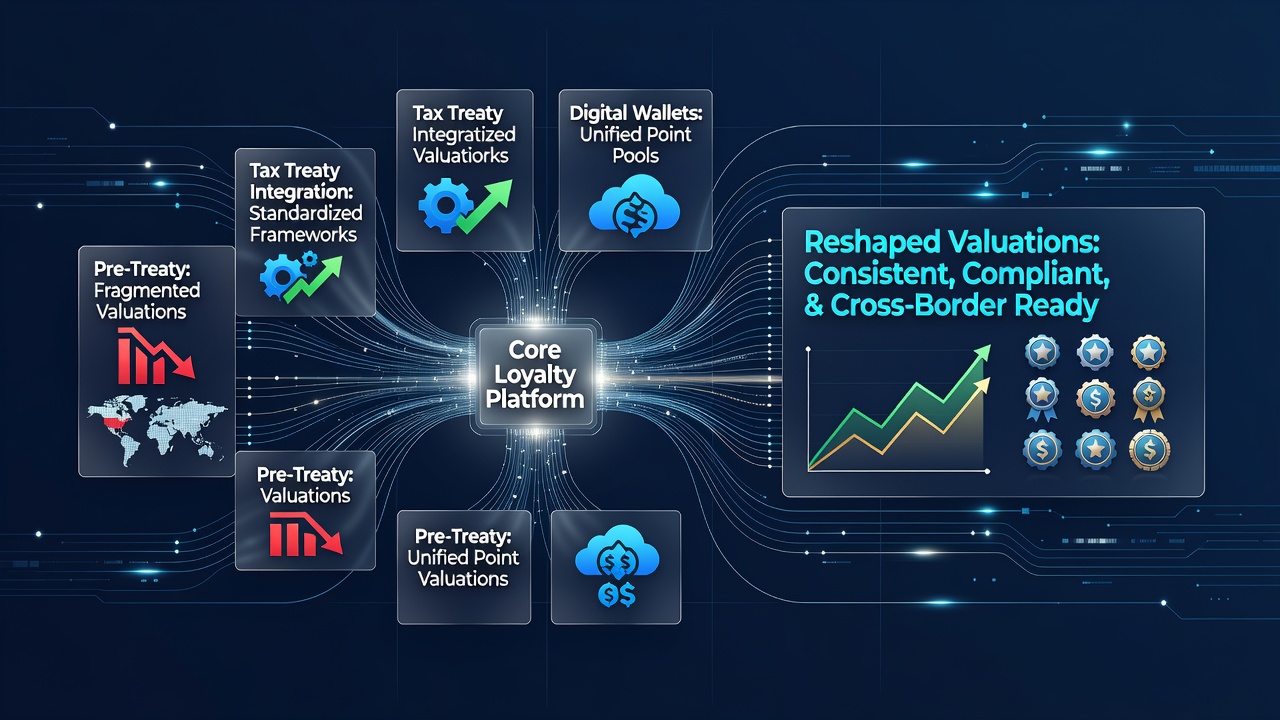
By August 2026 several major operators had implemented automated valuation engines that pull real-time treaty data to recalculate point worth for users logging in from different regions. These systems reference exchange rates and local tax tables to convert point balances into equivalent taxable amounts, reducing the risk of underreporting when players move between treaty-covered territories.
One documented case involves a European-based network that restructured its loyalty program after a new protocol with the United States took effect, requiring points earned by American residents to be valued at the prevailing market rate for similar rewards rather than the operator's internal cost basis. Figures from the US Treasury's treaty database reveal that such adjustments have led to measurable changes in reported player income for the 2025 tax year, with carryover effects still appearing in mid-2026 filings.
Compliance Data and Reporting Shifts
Industry reports compiled by the European Gaming and Betting Association document a rise in cross-border data sharing agreements that support treaty-based valuations, allowing platforms to exchange aggregated point activity without disclosing individual player identities. This approach aligns with privacy standards while satisfying the information exchange requirements embedded in most modern tax treaties.
Platforms active in both Asian and North American markets have noted that treaty overrides can alter the timing of tax events, moving recognition from the moment points are credited to the date they are converted into tangible benefits. Observers note that this timing shift influences how operators structure bonus offers, since the economic cost of each point now varies according to the treaty network applicable to the recipient.
Future Treaty Developments and Platform Responses
Additional protocols under negotiation between several G20 nations aim to standardize the treatment of digital loyalty instruments, which would further harmonize valuation methods across poker ecosystems. Those involved in compliance work expect these updates to require more granular tracking of point origins and redemptions, particularly when players participate in tournaments hosted on servers located in third countries.
Evidence from academic studies published by the University of Toronto's gaming law research group shows that consistent application of treaty rules reduces disputes over point valuations, yet operators still invest in specialized software to manage the remaining jurisdictional differences. The ongoing evolution of these agreements continues to shape how loyalty programs calculate and report the value attached to player rewards in an increasingly interconnected digital environment.
Conclusion
Cross-border tax treaties have introduced structured frameworks that redefine how loyalty points accumulate and convert value within multi-jurisdictional poker platforms. Operators respond by refining their tracking systems and valuation models to align with treaty-specific rules, while regulatory bodies continue to exchange data that supports accurate reporting. These developments maintain consistent tax treatment across borders even as digital ecosystems expand and player bases diversify geographically.