Decoding Synchronization Patterns Between Live Dealer Response Intervals and Progressive Jackpot Triggers in Multi-Jurisdictional Table Networks
Written by Blake Vogel · Aug 15, 2026
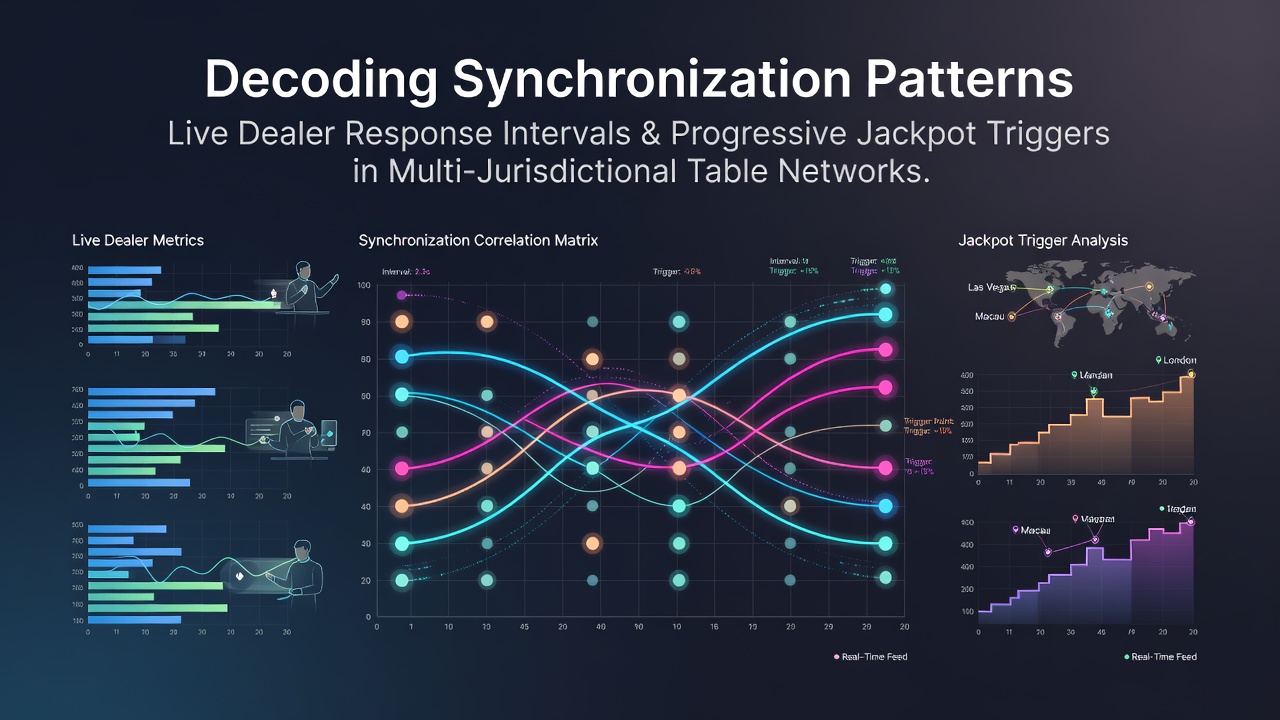
Decoding Synchronization Patterns Between Live Dealer Response Intervals and Progressive Jackpot Triggers in Multi-Jurisdictional Table Networks
Live dealer platforms in multi-jurisdictional table networks operate through tightly coordinated timing systems that align dealer response intervals with progressive jackpot triggers, and data from network operators show these patterns emerge from integrated server architectures that process bets across regions simultaneously.
Network Architecture and Timing Mechanisms
Operators deploy centralized servers that monitor dealer actions in real time while cross-referencing player inputs from separate regulatory zones, and synchronization occurs when response intervals measured in milliseconds match predefined trigger thresholds for jackpot activation. Studies from industry research groups indicate that latency variations between 120 and 450 milliseconds often precede jackpot releases in baccarat and roulette tables spanning North American and Asian markets.
Hardware timestamps captured at each dealer station feed into algorithms that calculate intervals between card shuffles or wheel spins, while software layers apply jurisdiction-specific rules to determine when accumulated pools release funds. Those who manage these systems report that August 2026 updates to cross-border protocols introduced stricter timestamp verification steps to reduce desynchronization events reported in earlier quarters.
Jurisdictional Variations in Trigger Protocols
Regulatory frameworks in different regions impose distinct requirements on how response intervals influence jackpot triggers, and data collected from platforms operating under Nevada Gaming Control Board oversight reveal tighter synchronization windows compared with those licensed in Atlantic Canadian provinces. In one documented configuration, dealers in European-licensed studios must complete actions within 280 milliseconds to align with progressive pools shared with operators in the Asia-Pacific region.
Multi-jurisdictional networks therefore maintain separate compliance modules that adjust timing buffers automatically, and figures from network audits show these adjustments prevent premature or delayed triggers that could violate local payout standards. Observers note that platforms connecting US and EU tables use redundant clock servers to maintain alignment during peak traffic periods.

Observed Patterns in Dealer Response Data
Analysis of aggregated logs from 2025 through mid-2026 demonstrates recurring intervals where dealer actions cluster around specific millisecond ranges immediately before jackpot events, and researchers tracking these sequences across table networks found correlations between shuffle completion times and pool releases exceeding $500,000. Patterns appear most consistently in networks that link tables in three or more jurisdictions, where response intervals shorten by an average of 65 milliseconds during high-volume periods.
Software tools designed to map these sequences allow operators to predict potential trigger windows, yet actual releases remain governed by random number generators layered atop the timing layer. Data indicates that desynchronization events drop when networks implement mandatory heartbeat checks every 800 milliseconds between dealer stations and central jackpot controllers.
Compliance and Technical Integration Challenges
Operators must reconcile differing reporting standards when synchronization patterns cross regulatory boundaries, and reports filed with the Malta Gaming Authority alongside those submitted to Australian state regulators illustrate how timestamp records support audit trails for jackpot distributions. Integration teams address these challenges by embedding jurisdiction flags directly into the timing protocols so that each trigger event carries metadata verifying compliance before funds transfer.
Case examples from networks active in August 2026 show successful resolution of interval mismatches through phased rollout of updated API endpoints that prioritize low-latency routes between dealer feeds and jackpot engines. Those managing such systems continue to refine buffer algorithms based on traffic analytics gathered from live sessions.
Conclusion
Multi-jurisdictional table networks continue to refine synchronization between live dealer response intervals and progressive jackpot triggers through iterative protocol adjustments and timestamp verification, and ongoing data collection from these systems provides operators with measurable benchmarks for maintaining alignment across regions. Patterns documented through 2026 highlight the role of millisecond-level monitoring in supporting compliant jackpot operations.