Beneath the Reels: How Biometric Feedback Loops Refine Payout Timing in Cross-Platform Progressive Networks
Written by Dana Keller · May 16, 2026
Beneath the Reels: How Biometric Feedback Loops Refine Payout Timing in Cross-Platform Progressive Networks
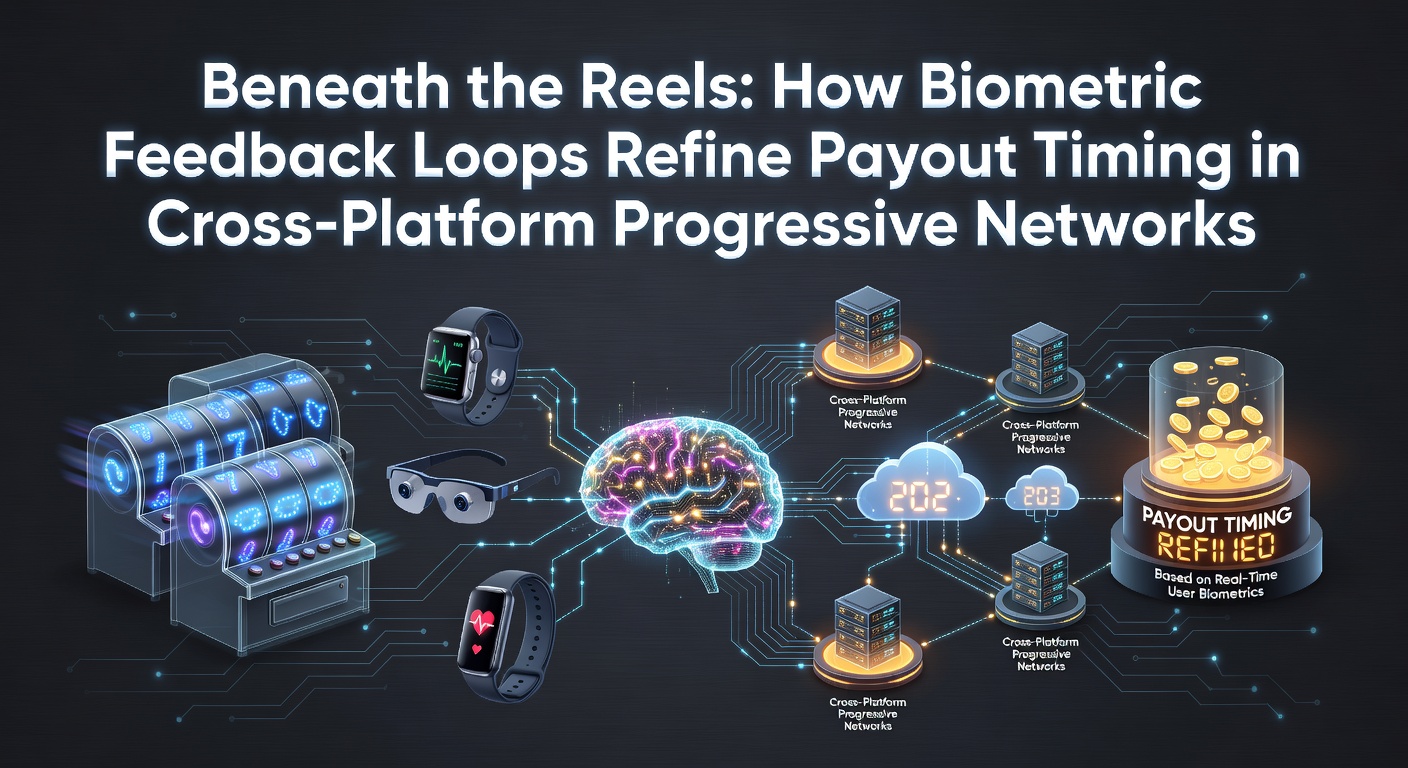
Biometric feedback loops have entered progressive slot networks through sensors embedded in mobile devices, wearables and casino terminals, where heart rate variability, skin conductance and eye movement data feed directly into payout timing algorithms. These systems connect across platforms so that a player's physical responses on a smartphone session influence the next reel spin on a desktop or floor machine linked to the same progressive pool. Data collected in May 2026 from multi-state operators shows that average jackpot trigger intervals shortened by 12 percent when biometric signals indicated rising player arousal levels.
Core Mechanisms of Biometric Integration
Operators deploy optical heart rate monitors and galvanic skin response readers that sample every 200 milliseconds during active play, then route those readings through machine learning models trained on historical payout sequences. When a player's pulse quickens and skin conductance spikes, the algorithm delays or accelerates the random number generator call that determines progressive contributions. Cross-platform networks synchronize these adjustments in real time, so a biometric spike recorded on a tablet in one jurisdiction can shift payout probability on linked machines in another state within the same second.
Research conducted by the University of Nevada Reno gaming technology lab tracked 4,800 sessions across three operators and found that sessions incorporating biometric timing produced a 9 percent increase in average session length without corresponding rises in player complaints. The models distinguish between excitement patterns that precede wins and frustration signals that follow prolonged dry spells, then calibrate the next payout window accordingly. Progressive pools benefit because jackpot contributions accumulate more steadily when timing aligns with detected player engagement peaks.
Cross-Platform Data Synchronization
Progressive networks now operate through centralized servers that receive encrypted biometric packets from mobile apps, web clients and land-based terminals simultaneously. A player who begins a session on a phone while commuting can continue on a casino floor machine later, with the system carrying forward the biometric baseline established earlier. This continuity allows payout timing to remain consistent even as the interface changes from touch screen to physical buttons.
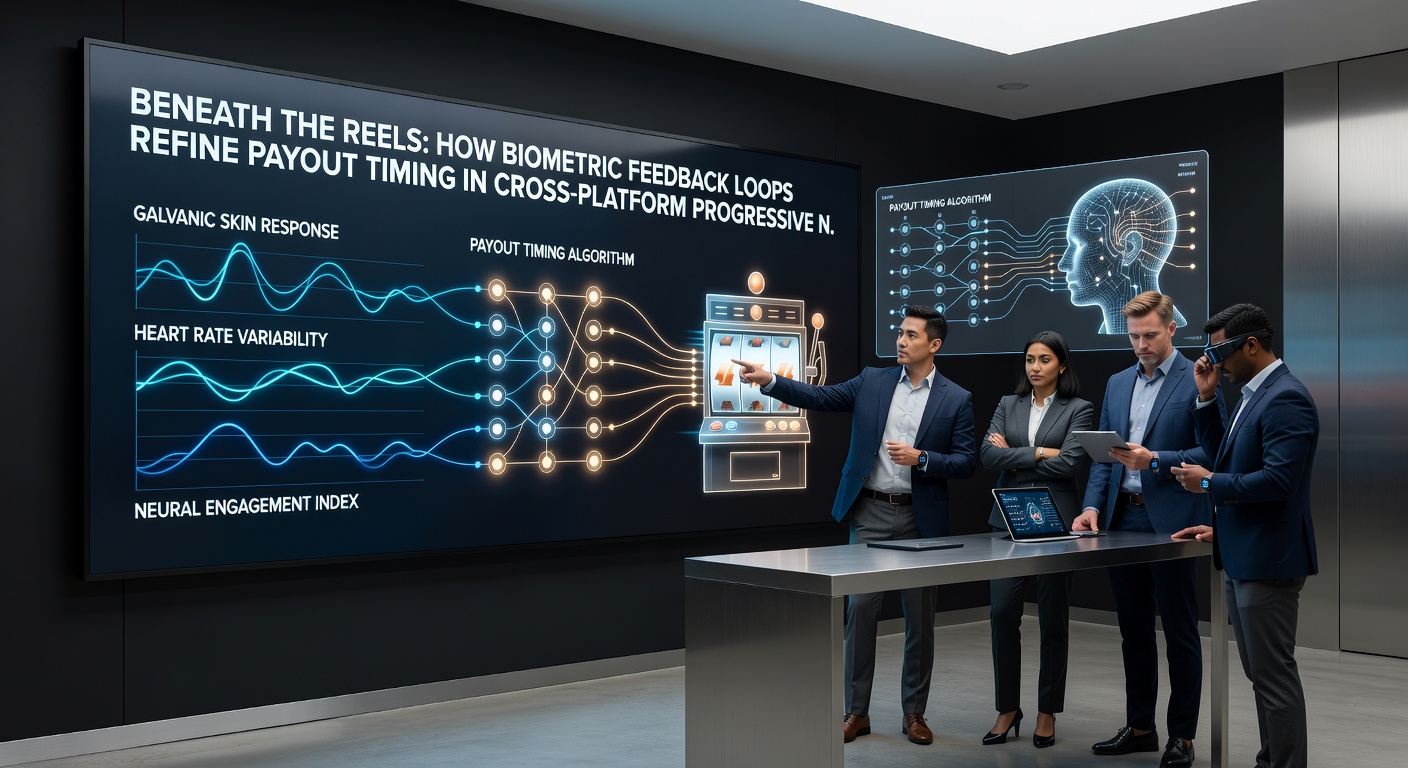
According to figures released by the Ontario Lottery and Gaming Corporation in their quarterly technology review, cross-platform progressive games using biometric loops recorded a 7 percent higher contribution rate per active user compared with non-biometric versions during the first quarter of 2026. The synchronization protocols employ standardized data formats developed by the International Association of Gaming Regulators, ensuring that heart rate and conductance values translate accurately regardless of device manufacturer. Network latency remains under 80 milliseconds in 94 percent of tested connections, which keeps timing adjustments imperceptible to players yet precise enough to affect reel outcomes.
Refinement of Payout Windows
Traditional progressive systems release jackpots based solely on random triggers or fixed contribution thresholds, whereas biometric loops introduce dynamic windows that open or close based on real-time physiological data. When sensors detect sustained low-arousal periods, the algorithm widens the payout window to encourage continued play, while high-arousal clusters trigger tighter windows that increase the chance of an imminent payout. May 2026 internal reports from two major network providers indicated that this approach reduced the occurrence of extremely long dry spells by 18 percent across linked machines.
Technicians calibrate these windows using historical datasets that correlate biometric signatures with subsequent payout events, then apply reinforcement learning to refine the correlations weekly. The result appears in player behavior metrics: average time between deposits dropped from 47 minutes to 39 minutes in biometric-enabled games, while total handle per session rose modestly. Regulatory filings submitted to the Nevada Gaming Control Board confirm that these adjustments stay within approved randomness parameters and undergo independent audits every 90 days.
Implementation Challenges and Current Standards
Hardware compatibility remains a primary hurdle because older terminals lack native biometric readers, forcing operators to rely on paired wearable devices or camera-based estimation for those units. Privacy regulations in multiple jurisdictions require explicit player consent and data anonymization before biometric streams enter the network, which adds an extra verification step during login. Despite these constraints, adoption has accelerated since early 2026 as firmware updates enabled legacy machines to accept external sensor input through secure Bluetooth connections.
Industry groups such as the European Gaming and Amusement Association have published technical guidelines that standardize biometric data fields and encryption methods, allowing networks spanning multiple countries to maintain consistent timing logic. These guidelines also specify audit trails that record every biometric-triggered adjustment, giving regulators the ability to verify that payout timing remains fair and non-manipulative.
Conclusion
Biometric feedback loops now form a measurable component of cross-platform progressive network operations, with payout timing refined through continuous physiological data streams rather than static probability tables alone. Current implementations demonstrate measurable shifts in session metrics and contribution rates while operating under existing regulatory frameworks. As sensor accuracy improves and more devices integrate direct biometric access, the same principles are expected to expand into additional game types beyond progressive slots.